Work of Art

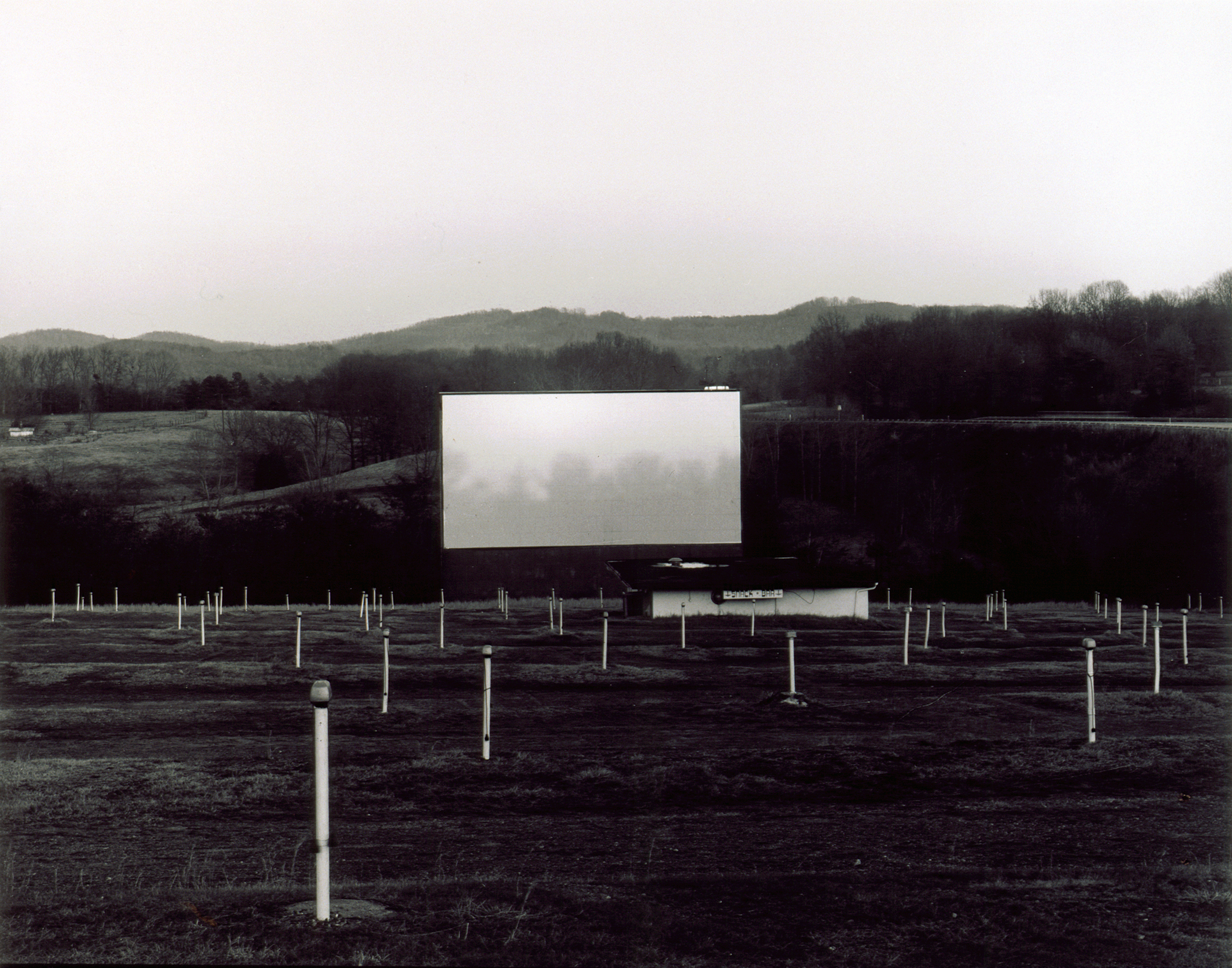
North Wilkesboro, North Carolina, 1982

Created
1982
Nationality
American
Birth/Death
1942-
Dimensions
9 1/4 × 12 1/8 inches (23.5 × 30.8 centimeters)
Credit

Purchased with funds from the William R. Roberson Jr. and Frances M. Roberson Endowed Fund for North Carolina Art

Object Number
2004.1.9
Classification
Photography
Department
Modern

Key Ideas

  • Elizabeth Matheson is a North Carolina photographer known for her images of Southern landscapes, home interiors, and historic places without people. Her photographs often show everyday places and their connections to the people who used them. 
  • Matheson uses natural light and careful composition to record the details in each scene. Her photographs show how buildings, landscapes, and local areas change over time.
  • Photography can preserve the history of places that may someday disappear. Matheson’s images of changing landscapes and buildings help future generations learn about North Carolina’s history.

Learn More

Elizabeth Matheson was born in Durham and grew up in Hillsborough, North Carolina. She studied photography at the Penland School of Craft in the Blue Ridge Mountains. Matheson has spent much of her career photographing locations in North Carolina and the American South. Her photographs document everyday places, including landscapes, buildings, and historic sites. 

I photograph what delights me and asks for my attention … I know that at any moment light can beautify the most ordinary corner of the most ordinary yard and that these small jolts of elation can be captured. 

Elizabeth Matheson

In North Wilkesboro, North Carolina, 1982, Matheson shows an empty drive-in movie theater. Rows of white speaker posts show how the space was once organized for cars and moviegoers. A large movie screen stands at the center of this image. Instead of displaying a film, the screen shows the shadows of the tree-covered hills behind it. The photograph captures both the drive-in theater and the surrounding landscape, showing how this place has changed over time. 

North Carolina had more than 200 drive-in movie theaters during the 1950s. Only five remain in operation.

Read Less Keep Reading

Additional Resources

Resources for Teachers


Resources for Students

  • Watch a video of Matheson describing her decision to work primarily in black and white.
  • Watch a video of Matheson describing the places she likes to photograph.
  • Watch a video of Matheson explaining why she chooses to photograph landscapes without people in them.
Read Less Keep Reading

Elizabeth Matheson

2004.1.9

Elizabeth Matheson is a North Carolina photographer known for her images of Southern landscapes, home interiors, and historic places without people. Her photographs often show everyday places and their connections to the people who used them. 
Matheson uses natural light and careful composition to record the details in each scene. Her photographs show how buildings, landscapes, and local areas change over time.
Photography can preserve the history of places that may someday disappear. Matheson’s images of changing landscapes and buildings help future generations learn about North Carolina’s history.

Elizabeth Matheson was born in Durham and grew up in Hillsborough, North Carolina. She studied photography at the Penland School of Craft in the Blue Ridge Mountains. Matheson has spent much of her career photographing locations in North Carolina and the American South. Her photographs document everyday places, including landscapes, buildings, and historic sites. 
I photograph what delights me and asks for my attention … I know that at any moment light can beautify the most ordinary corner of the most ordinary yard and that these small jolts of elation can be captured. 
Elizabeth Matheson
In North Wilkesboro, North Carolina, 1982, Matheson shows an empty drive-in movie theater. Rows of white speaker posts show how the space was once organized for cars and moviegoers. A large movie screen stands at the center of this image. Instead of displaying a film, the screen shows the shadows of the tree-covered hills behind it. The photograph captures both the drive-in theater and the surrounding landscape, showing how this place has changed over time. 
North Carolina had more than 200 drive-in movie theaters during the 1950s. Only five remain in operation.
Purchased with funds from the William R. Roberson Jr. and Frances M. Roberson Endowed Fund for North Carolina Art

1982

9 1/4 × 12 1/8 inches (23.5 × 30.8 centimeters)

Photography

Modern

Related Concepts

Learn More

Share