Artist

Auguste Rodin

Nationality
French
Birth/Death
1840-1917

Learn More

Work of Art

The Kiss

Work of Art

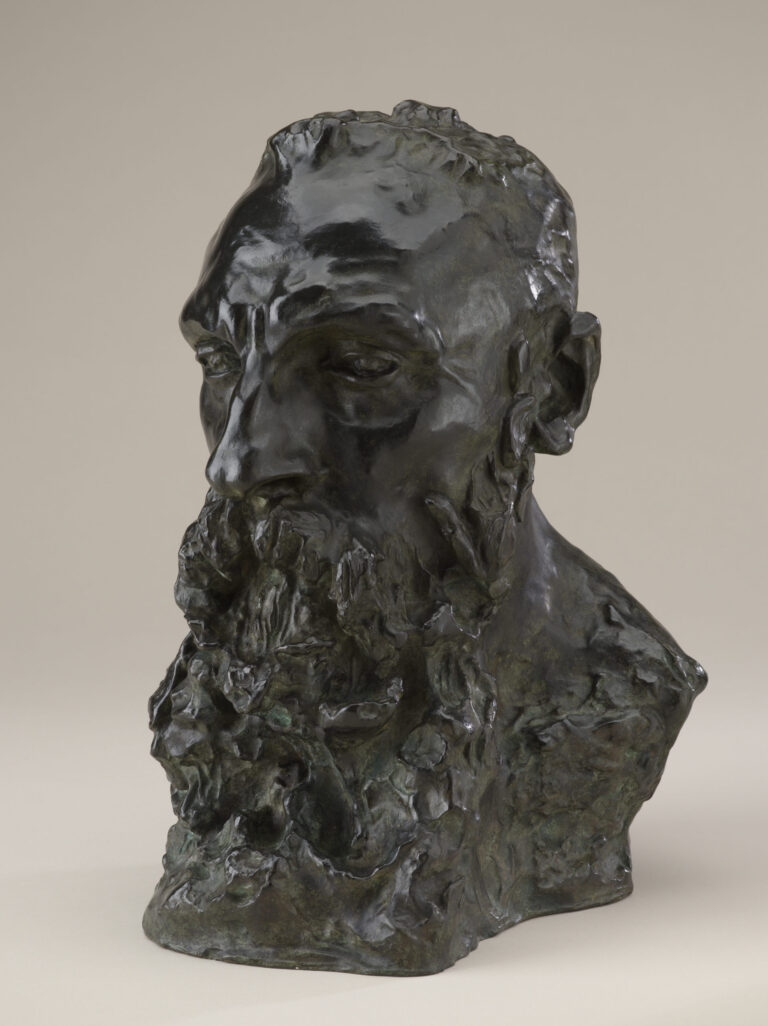
Bust of Rodin

Artwork by Auguste Rodin
Work of Art
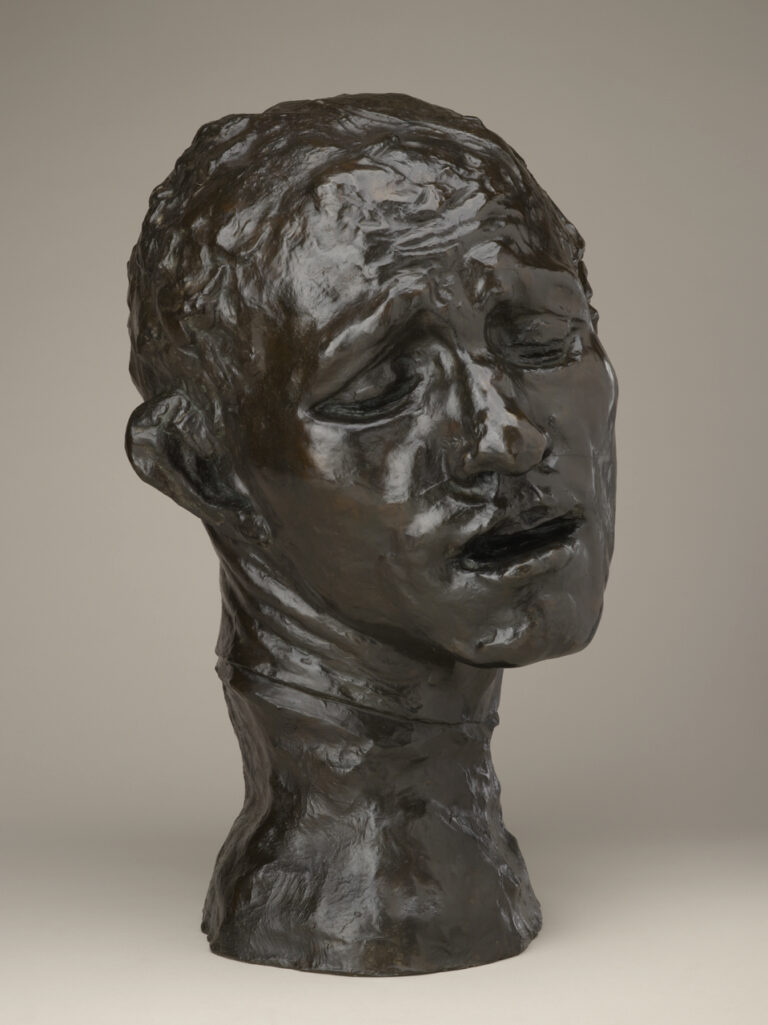
Monumental Head of Pierre de Wissant
Work of Art
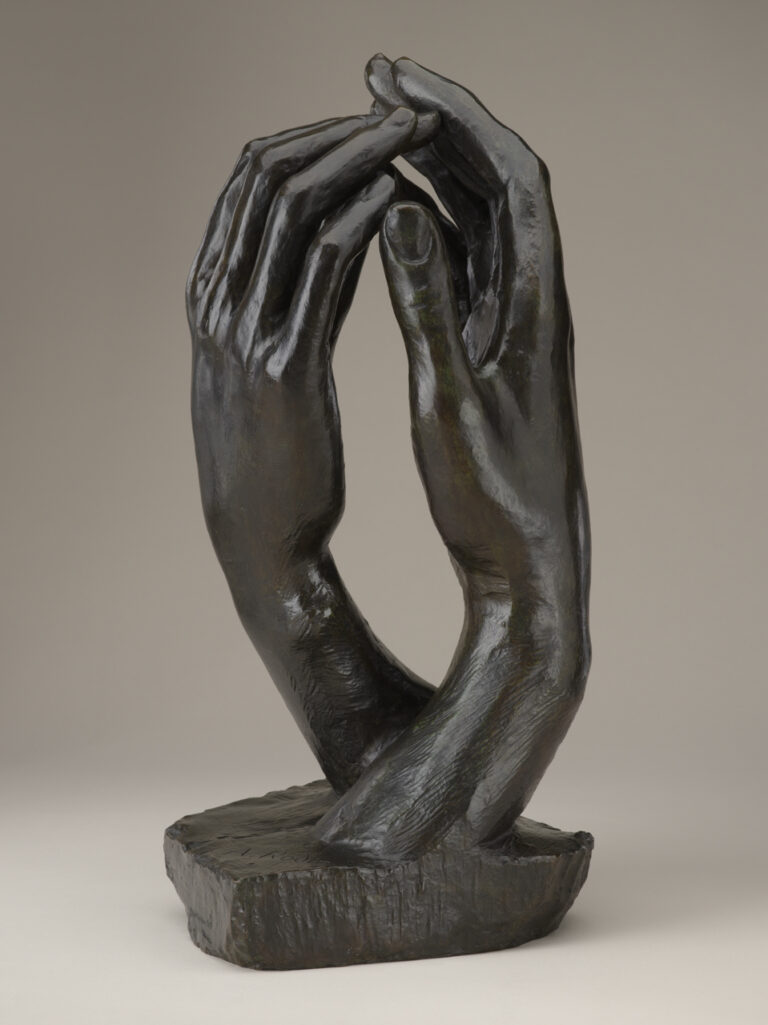
The Cathedral
Bronze sculpture of two right hands facing each other with fingertips touching.
Work of Art
The Three Shades
Work of Art
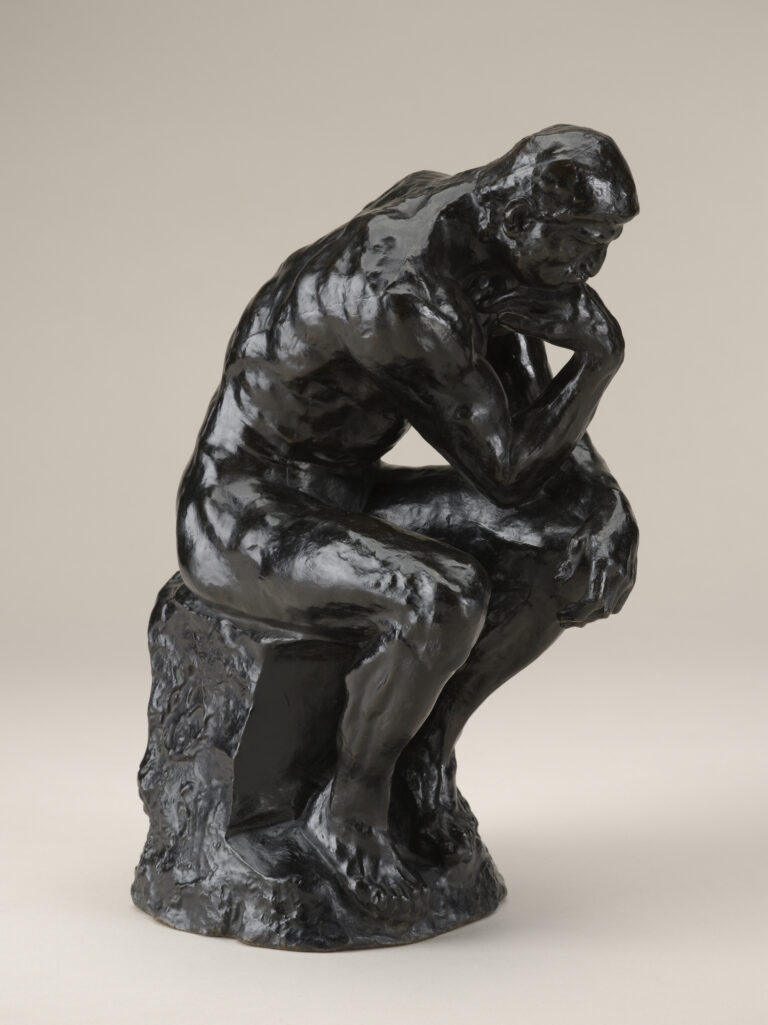
The Thinker
Work of Art
The Kiss

About

The most famous sculptor of his day, Auguste Rodin is rightfully acknowledged as having revolutionized the art of sculpture and is regarded as the pivotal figure in the transition from the academic sculpture of the Nineteenth Century to “modern” 20th-century sculpture. Rodin’s sculptures overturned traditional ideals of the heroic public monument, of beauty, of the human form, and of “completeness” and “finish”; he changed the way his contemporaries (and everyone since) has looked at sculpture. The overarching subject of his art is the physical and emotional power of the human body.

From Wikipedia

source content
François Auguste René Rodin (; French: [fʁɑ̃swa oɡyst(ə) ʁəne ʁɔdɛ̃]; 12 November 1840 – 17 November 1917) was a French sculptor generally considered the founder of modern sculpture. He was schooled traditionally and took a craftsman-like approach to his work. Rodin possessed a unique ability to model a complex, turbulent, and deeply pocketed surface in clay. He is known for such sculptures as The Thinker, Monument to Balzac, The Kiss, The Burghers of Calais, and The Gates of Hell. Many of Rodin's most notable sculptures were criticized, as they clashed with predominant figurative sculpture traditions in which works were decorative, formulaic, or highly thematic. Rodin's most original work departed from traditional themes of mythology and allegory. He modeled the human body with naturalism, and his sculptures celebrate individual character and physicality. Although Rodin was sensitive to the controversy surrounding his work, he refused to change his style, and his continued…