Artist

Josef Albers

Nationality
American (born Germany)
Birth/Death
1880-1976

Learn More

Work of Art

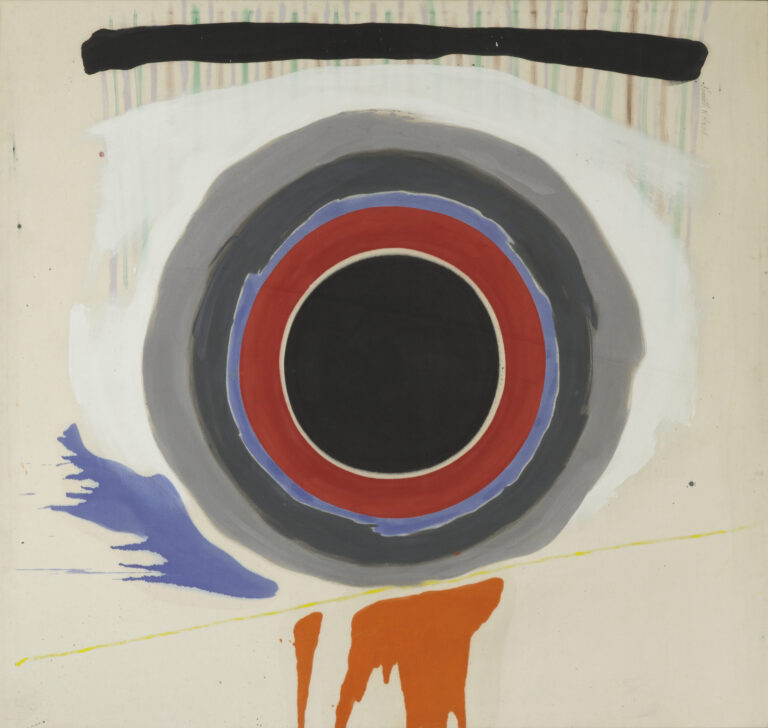
Tide

Work of Art

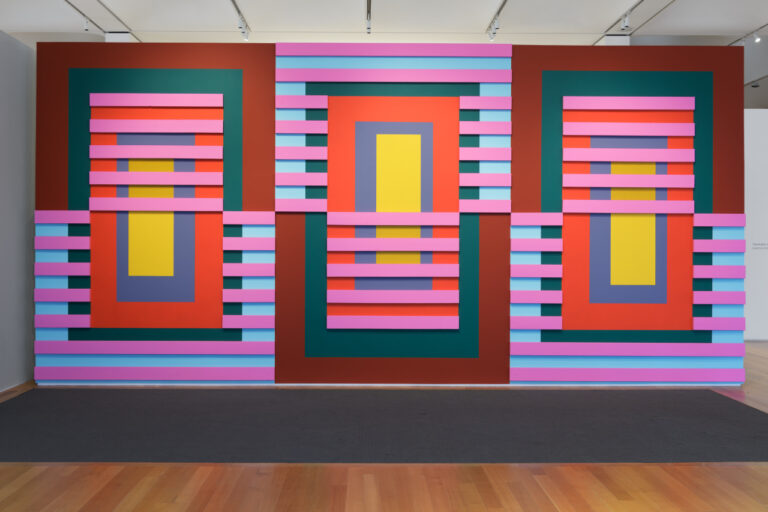
Raqqa II

Work of Art

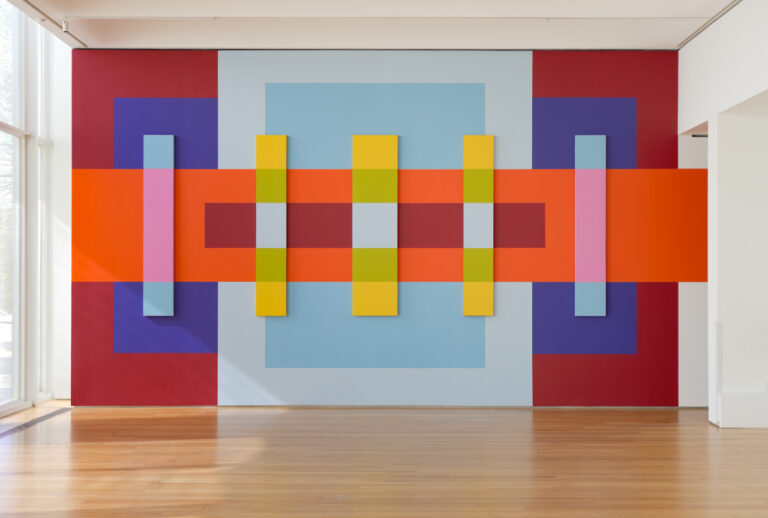
Vibrating Boundaries

Work of Art

Through Line

Artwork by Josef Albers
Work of Art
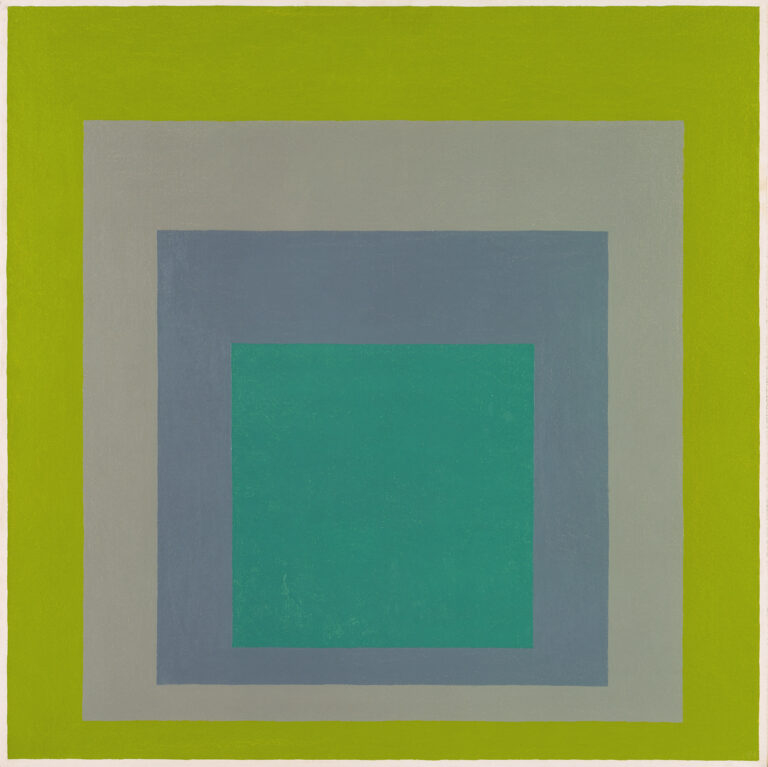
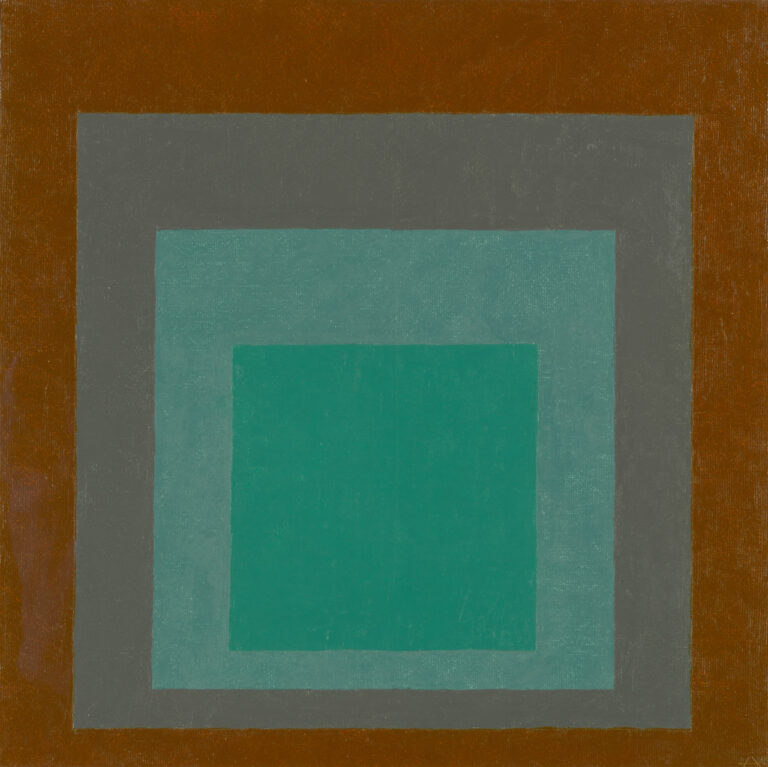
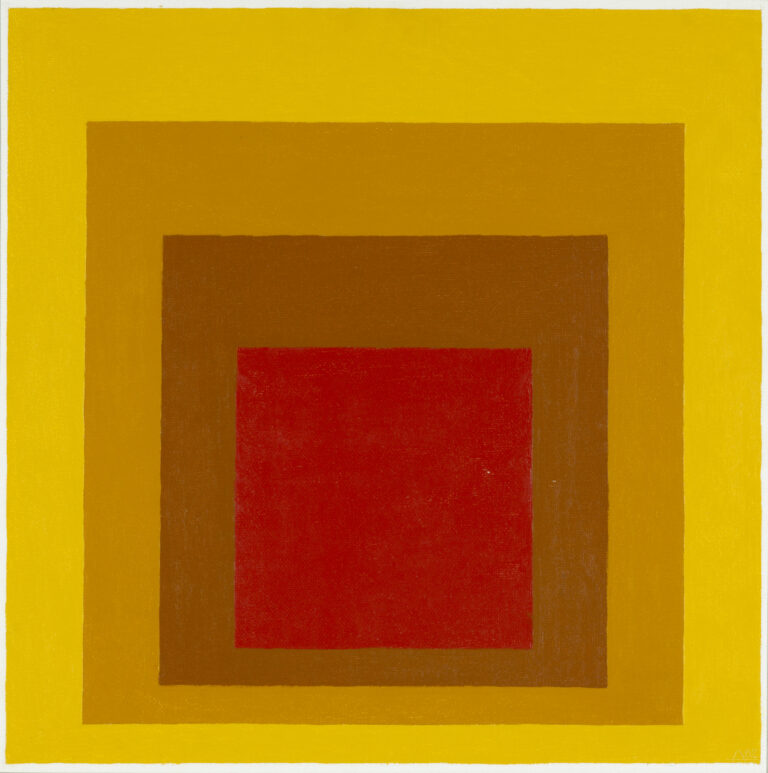
Study for Homage to the Square: "High Spring"
Work of Art
Study for Homage to the Square: “Veiled”
Work of Art
Study for Homage to the Square: “Michoacan”
Work of Art
Study for Homage to the Square: “Centered”

About

On the recommendation of Philip Johnson at New York’s Museum of Modern Art, organizers at Black Mountain College, an experimental school in North Carolina, offered Josef Albers refuge from Nazi Germany to guide the art curriculum at Black Mountain. Josef and his wife, Anni, had both studied at the Bauhaus, a modernist art and design school in Germany, where Josef became a master teacher. The school closed under pressure from the Nazi regime in August 1933, and the Alberses came to North Carolina that fall.


tags: NC art, NC artist, North Carolina


From Wikipedia

source content
Josef Albers ( AL-bərz, US also AHL-, German: [ˈjoːzɛf ˈʔalbɐs]; March 19, 1888 – March 25, 1976) was a German-born American artist and educator who is considered one of the most influential 20th-century art teachers in the United States. Born in 1888 in Bottrop, Westphalia, Germany, into a Roman Catholic family with a background in craftsmanship, Albers received practical training in diverse skills like engraving glass, plumbing, and wiring during his childhood. He later worked as a schoolteacher from 1908 to 1913 and received his first public commission in 1918 and moved to Munich in 1919. In 1920, Albers joined the Weimar Bauhaus as a student and became a faculty member in 1922, teaching the principles of handicrafts. With the Bauhaus's move to Dessau in 1925, he was promoted to professor and married Anni Fleischmann, a student at the institution and a textile artist. Albers's work in Dessau included designing…