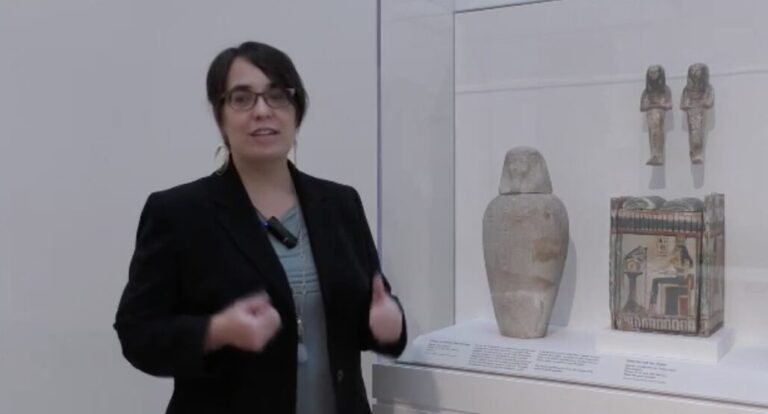
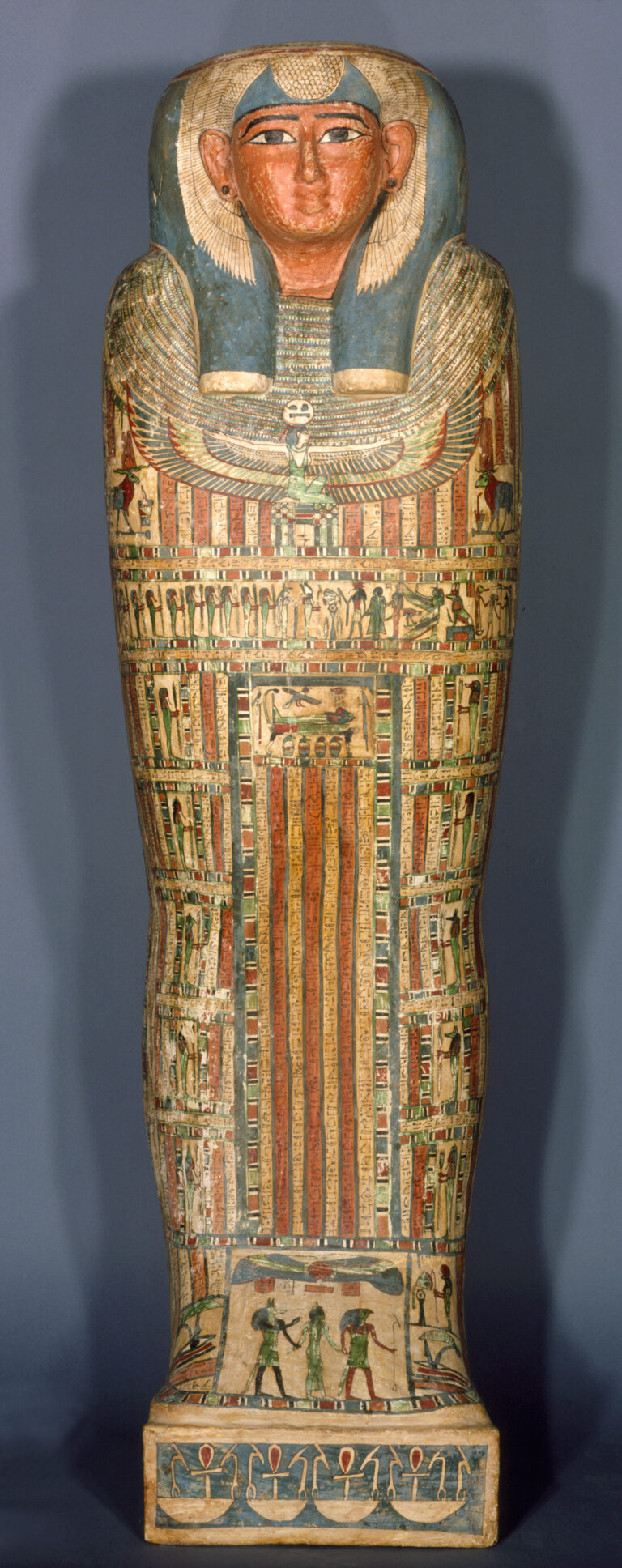
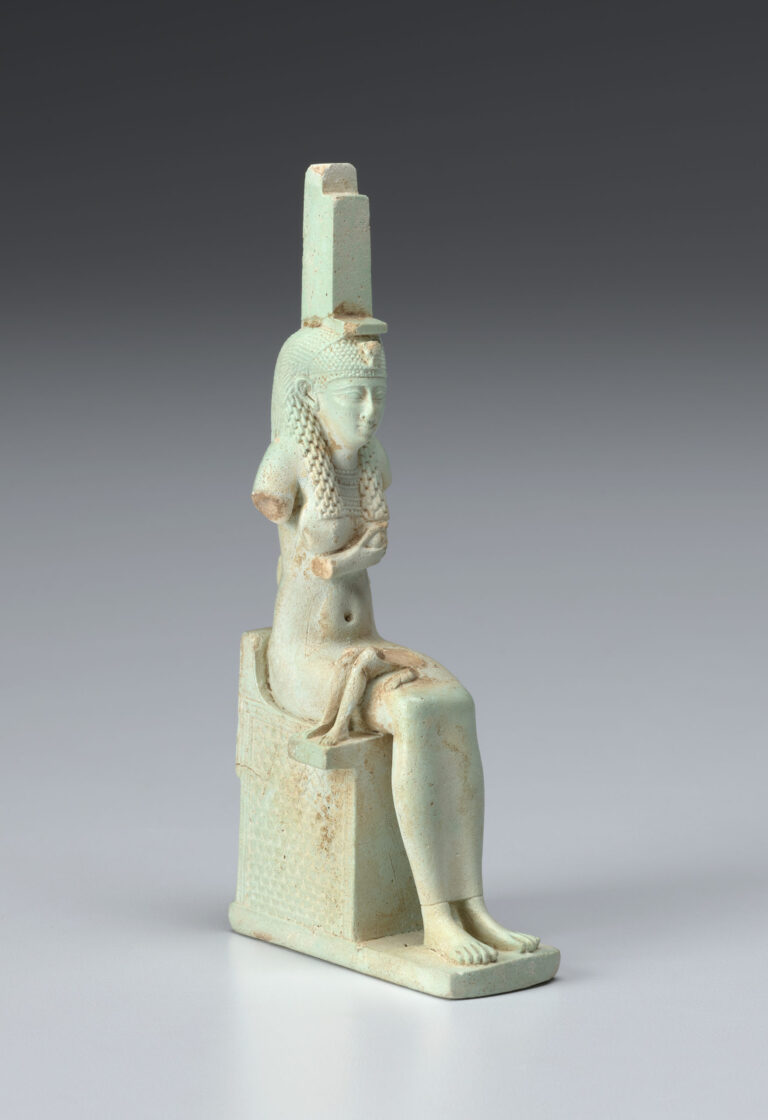
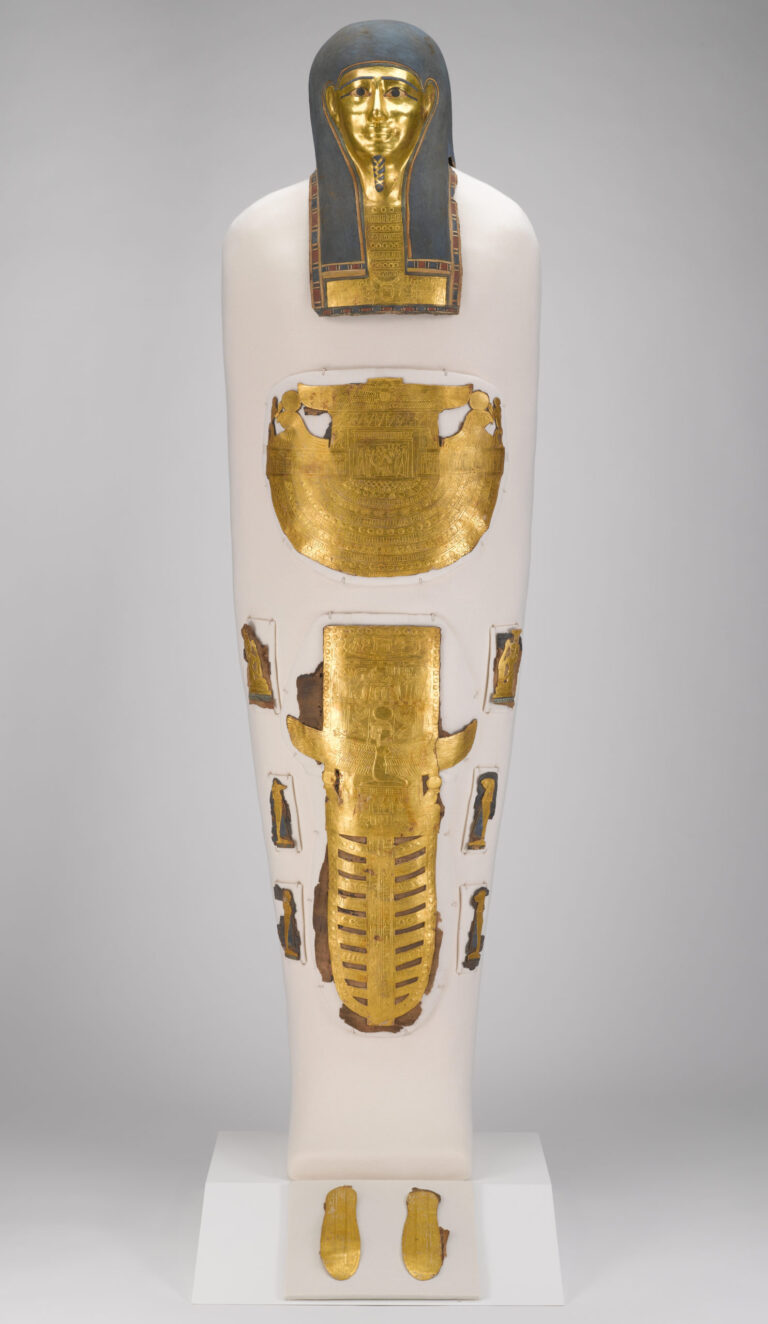
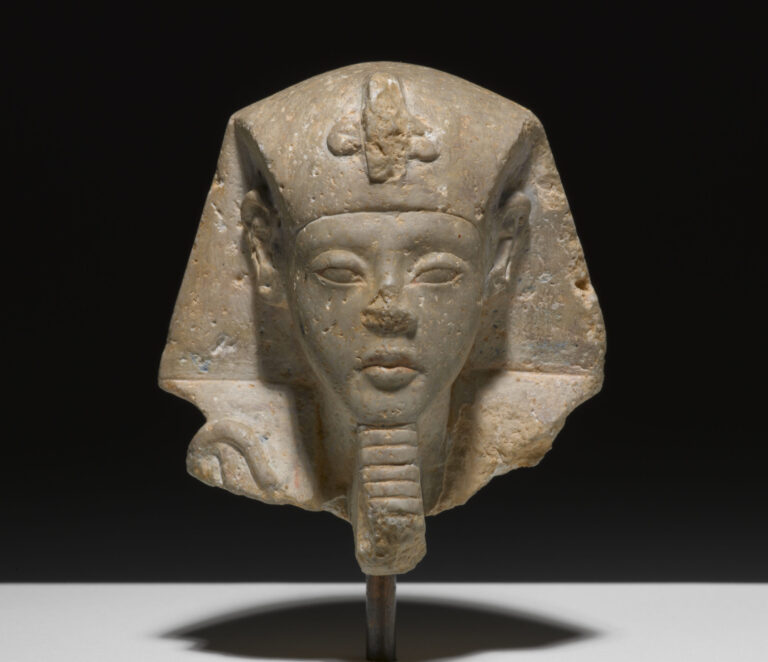
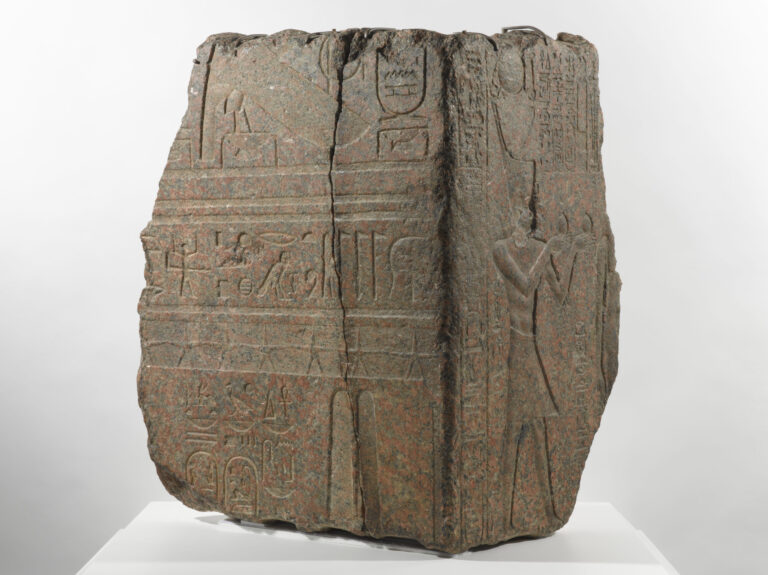
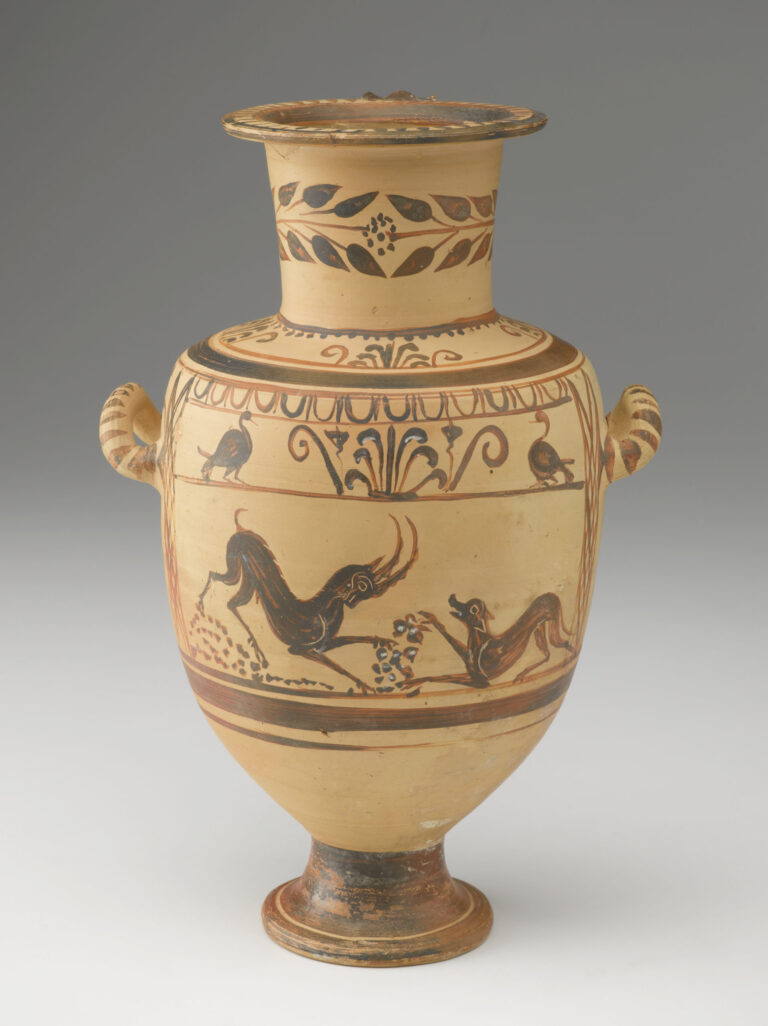
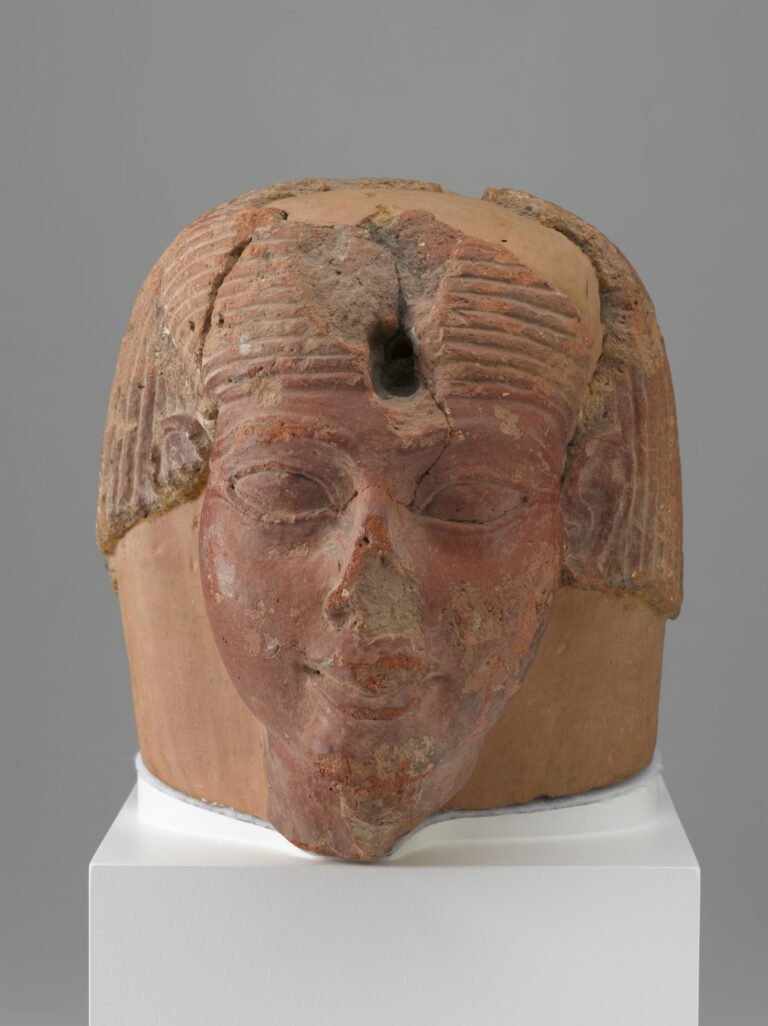
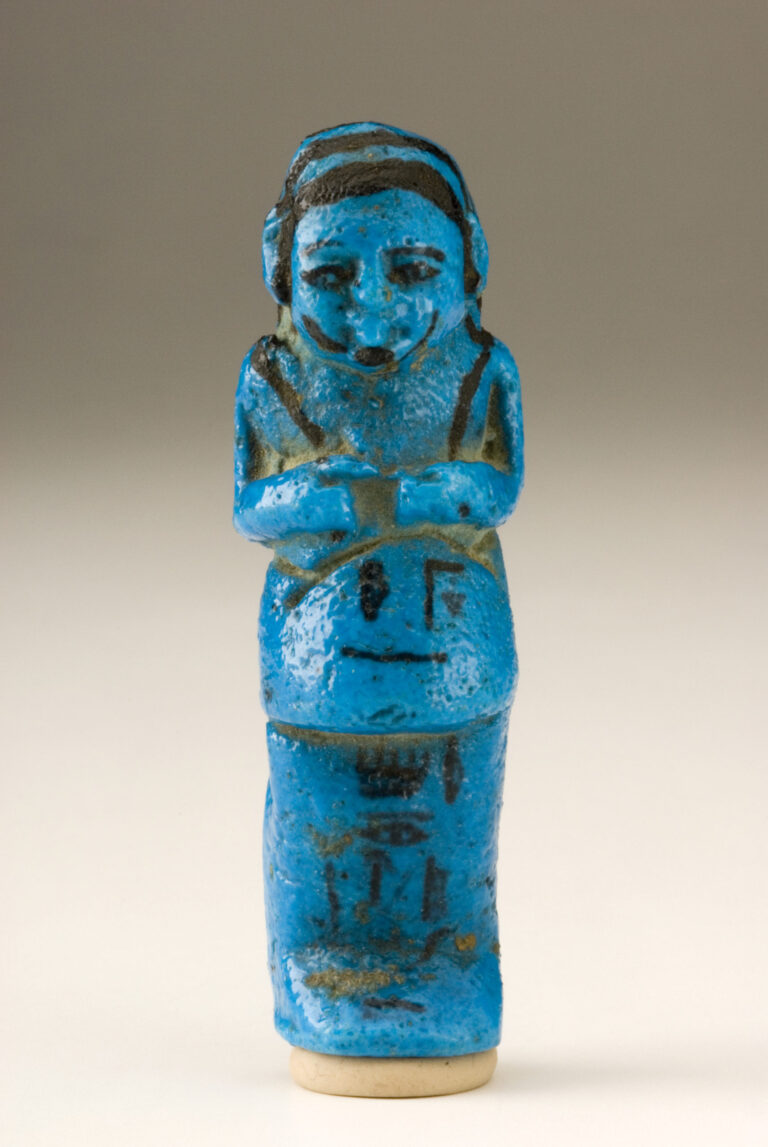
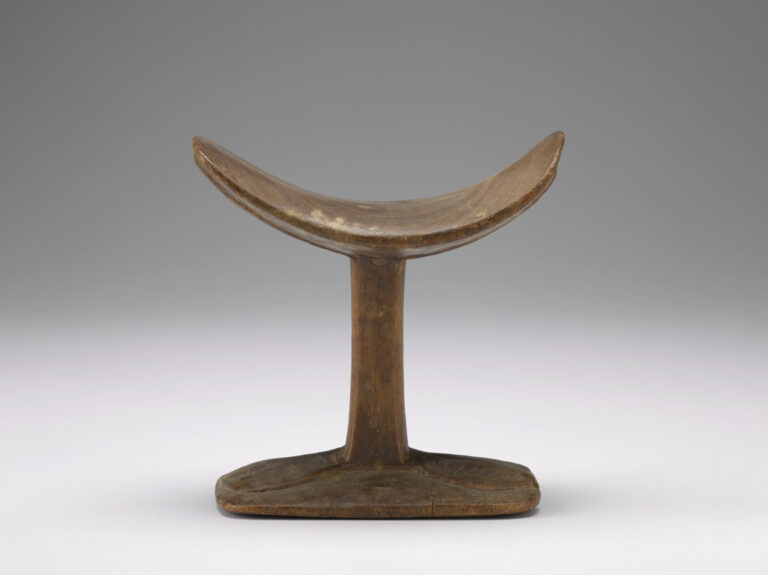
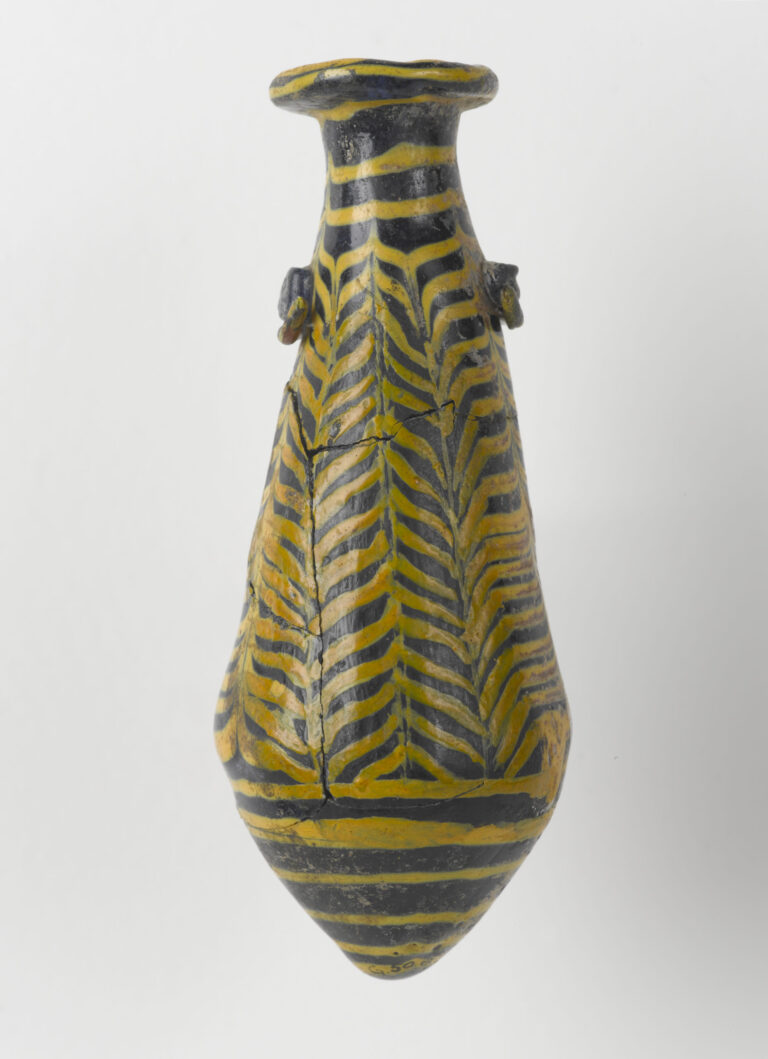
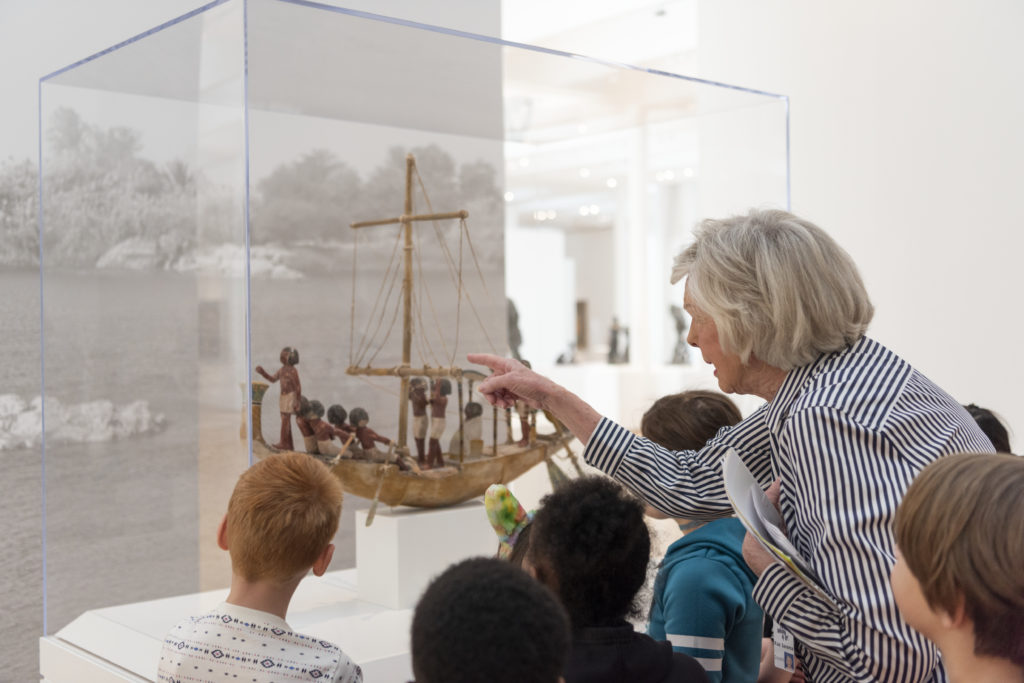
The artifacts in the NCMA’s ancient Egyptian collection are some of the oldest objects in the Museum. The history of pharaonic Egypt is represented from the predynastic to the Roman periods (5500 bce–330 ce). Since ancient Egypt was a civilization that believed in the materiality of the afterlife, the collection is strong in funerary artifacts.
A handful of Egyptian antiquities were entrusted to the State Art Society and/or donated to the Museum in its early years; however, it was not until the 1970s that the Museum collection grew beyond its founding collections of European and American paintings. Under the patronage of James Gordon Hanes Jr. (1916–95)—textile industry executive, state senator, and longtime board member—objects from Egypt and other countries became the focus of collecting activities. Hanes’s wish was to “offer the world to the schoolchildren of North Carolina.”
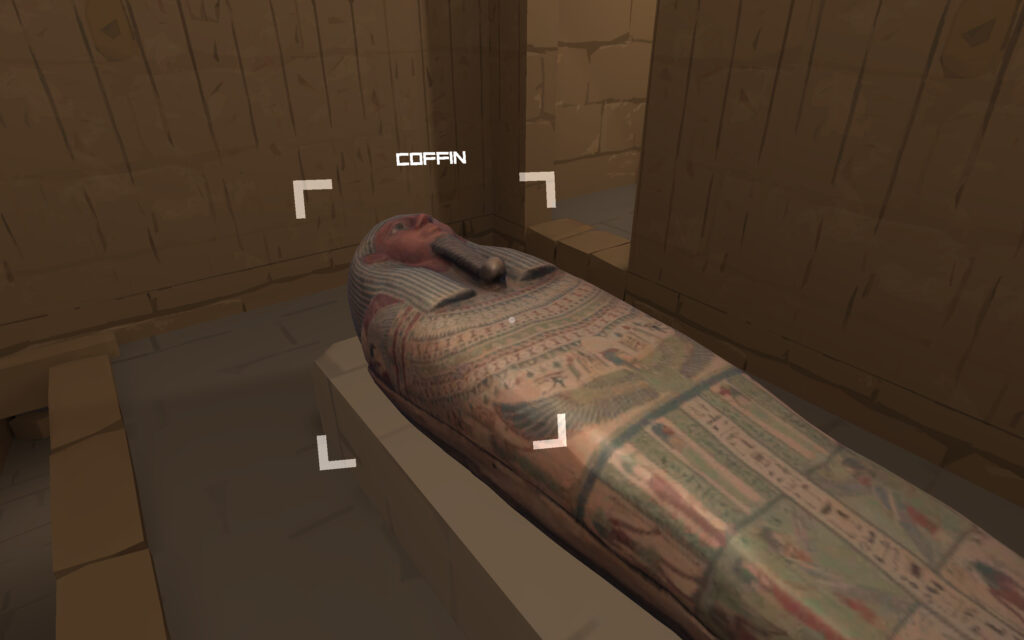
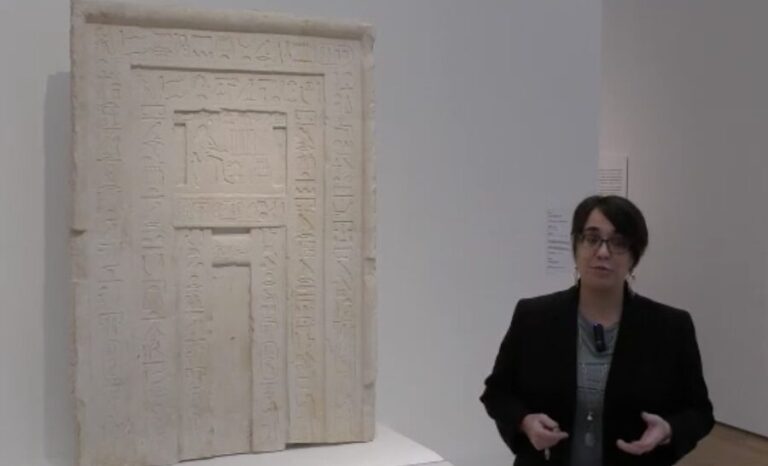
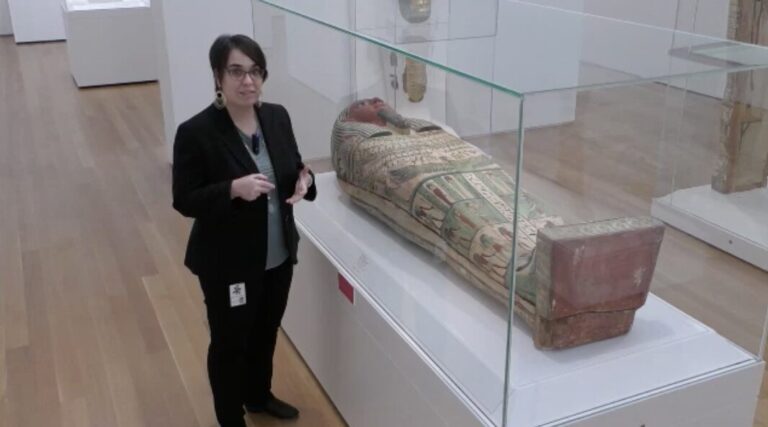
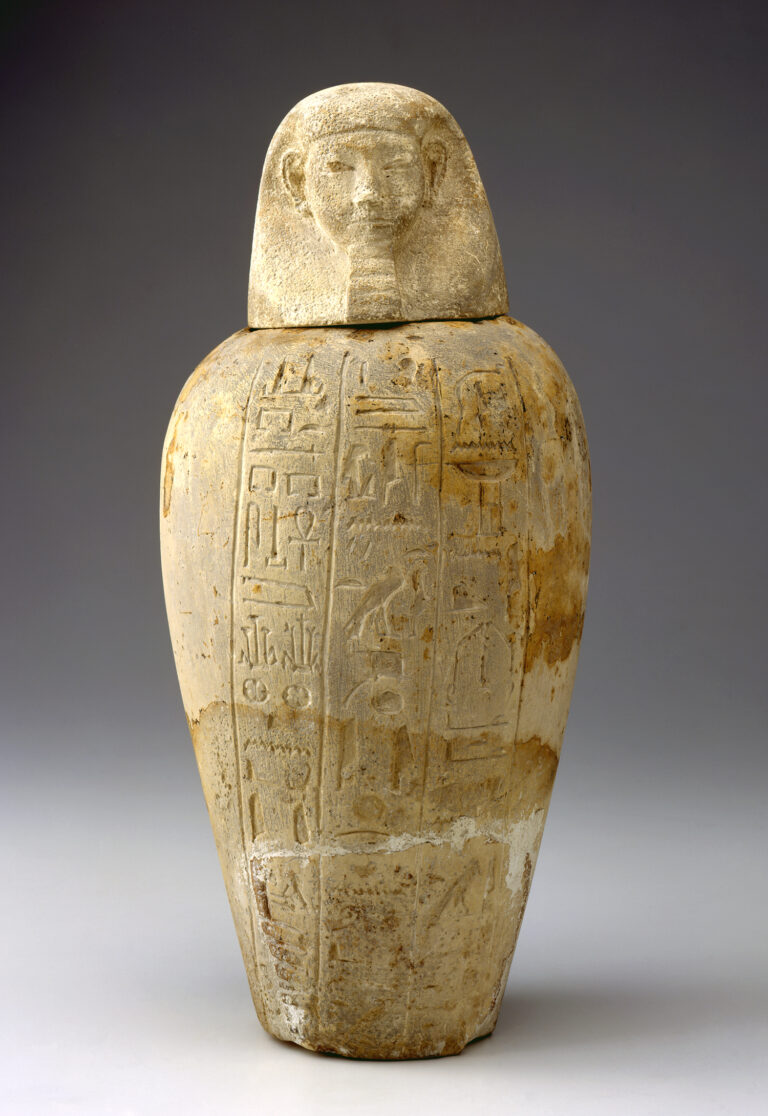
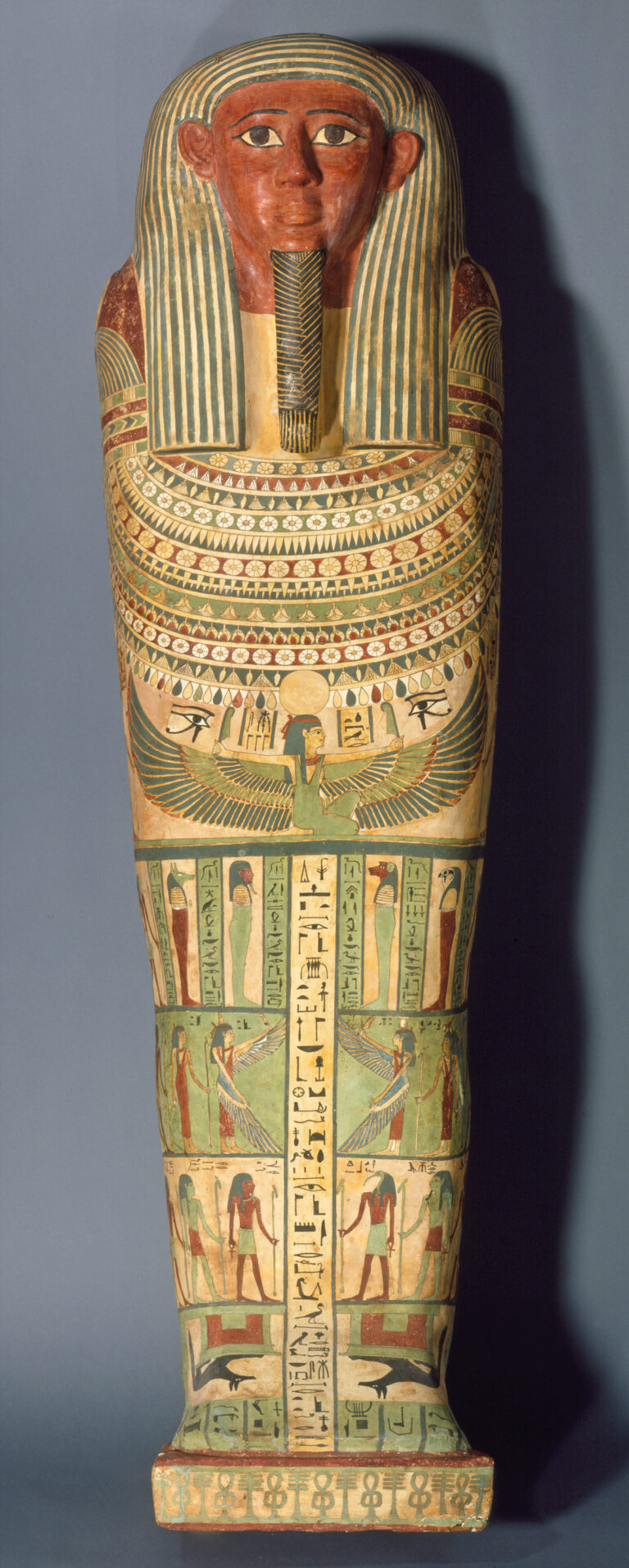
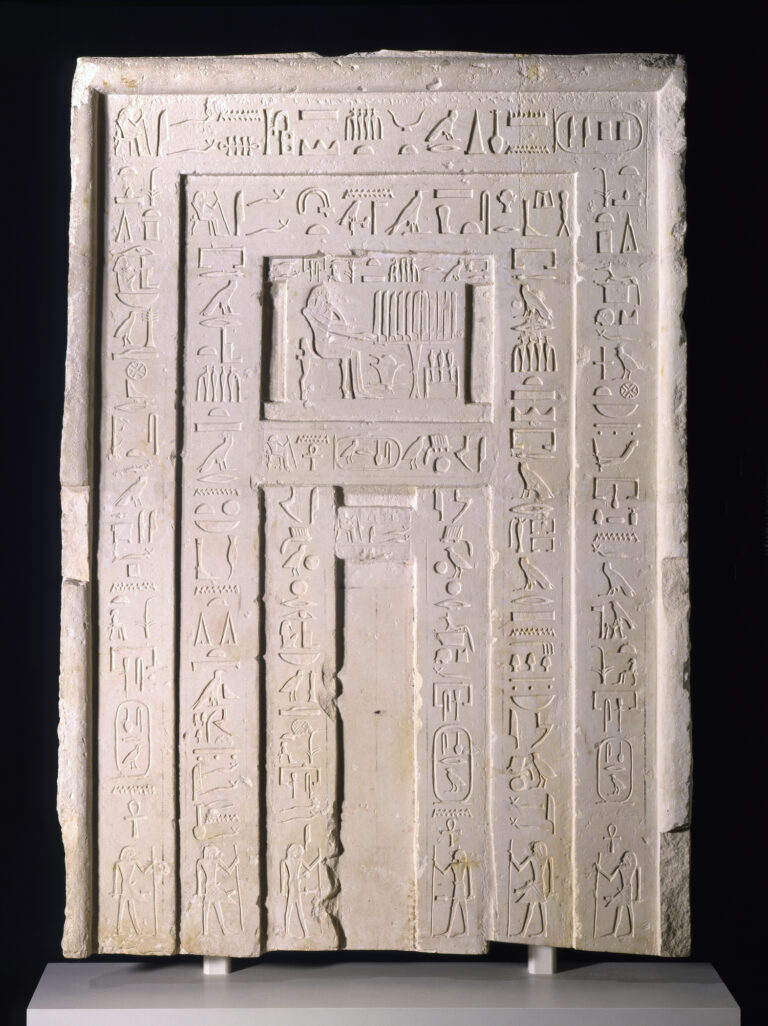
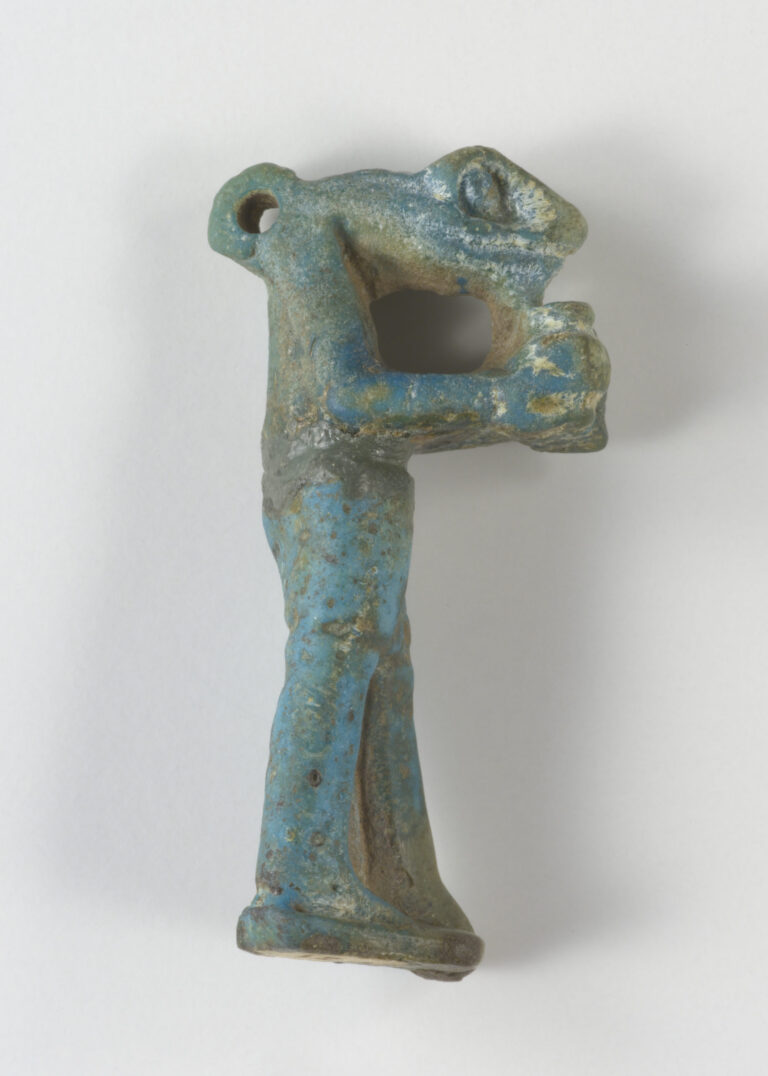
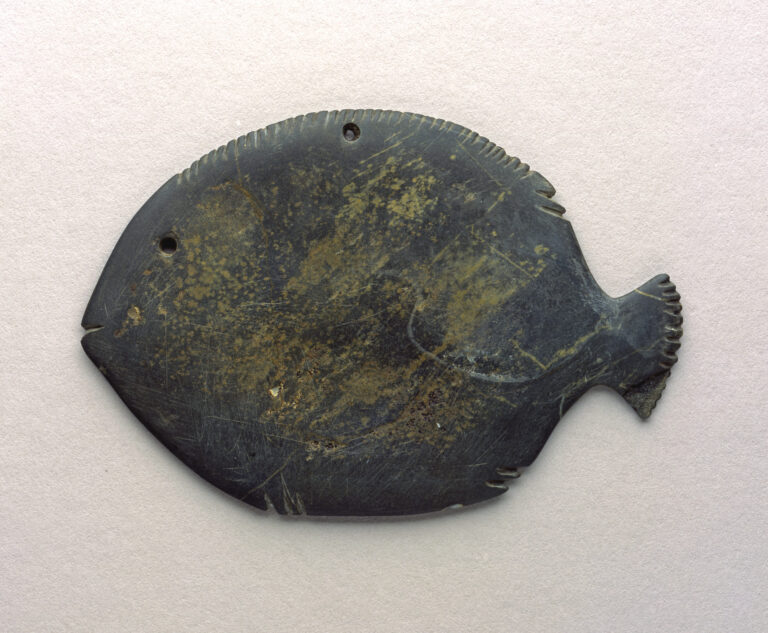
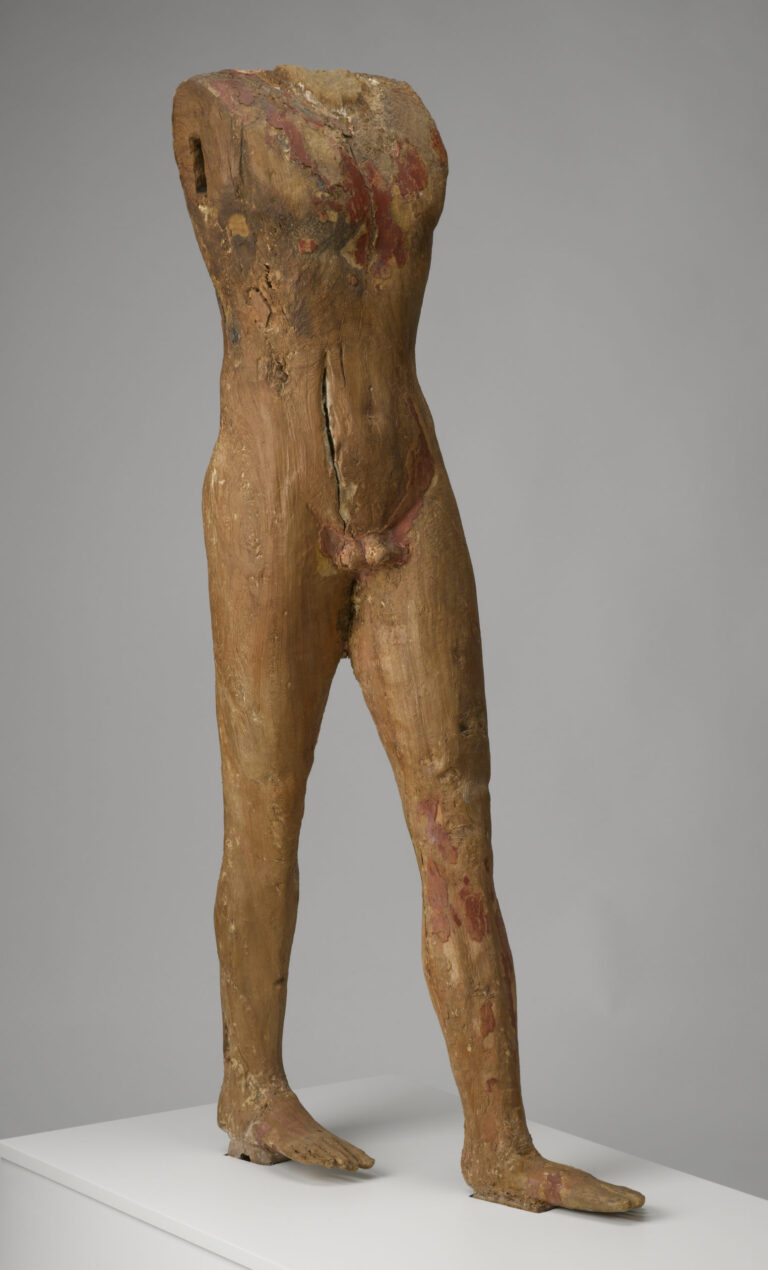
In these galleries you will see material culture (objects created and used by people) utilized in offering rituals for the deceased as well as items thought necessary for the afterlife and the protection of the body, including coffins, statues, jewelry, and vessels made of various materials—all having survived due to Egypt’s dry climate. Such possessions are associated with only a small number of ancient Egyptians, the wealthy and privileged.
A few antiquities also showcase material culture at the time when Egypt was ruled by the Greeks and Romans. Despite some social, political, and stylistic changes, important millennia-old pharaonic traditions continued, and Egypt remained a superpower in ancient Africa.
Caroline M. Rocheleau
Curator of Ancient Collections