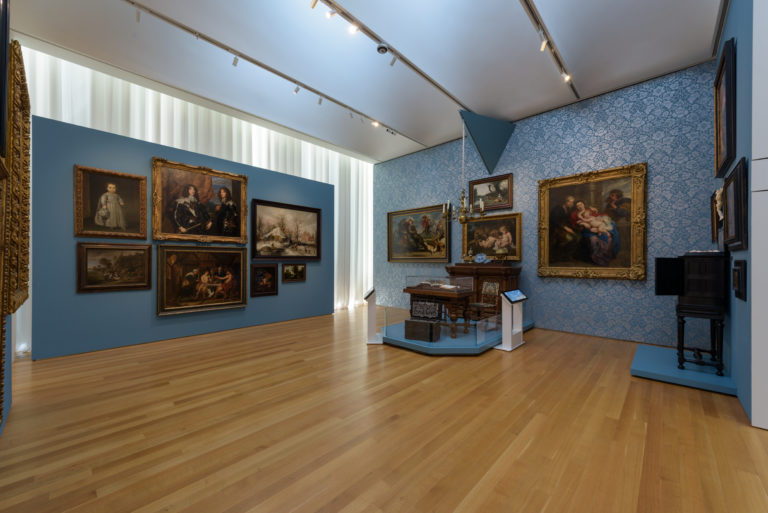
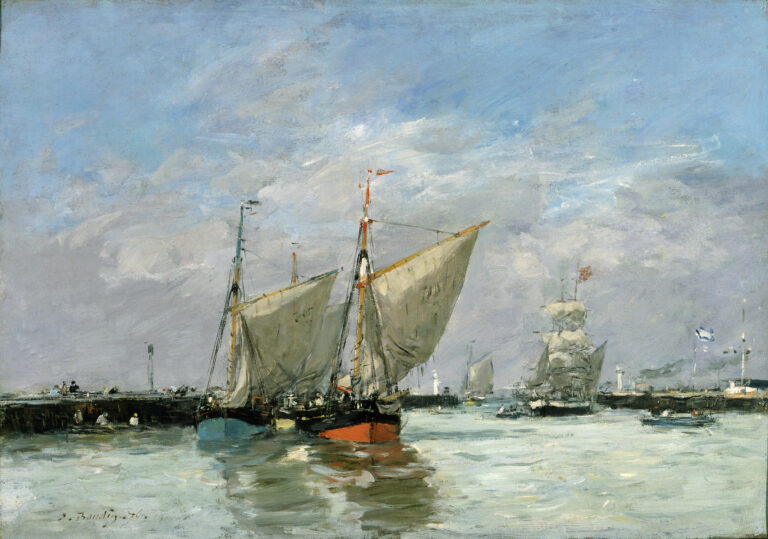
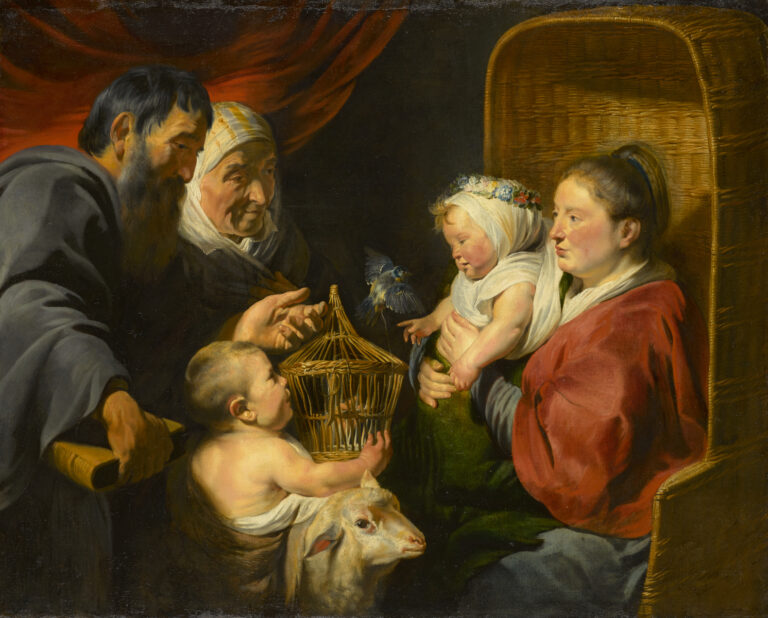
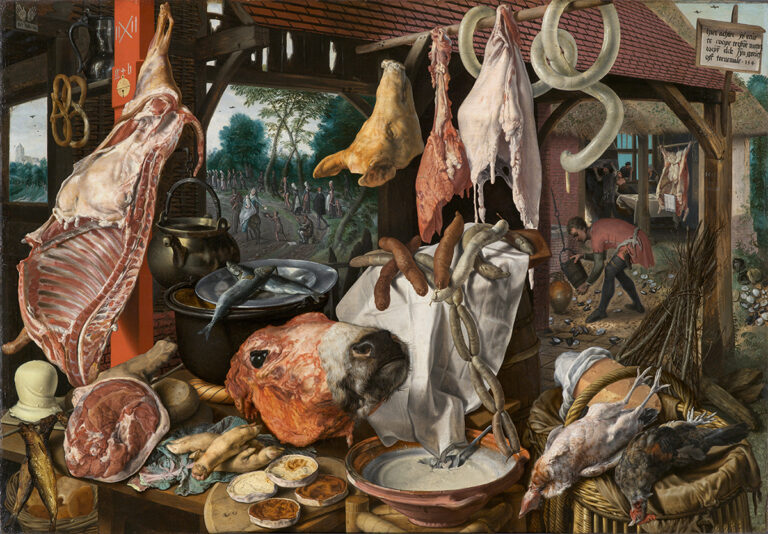
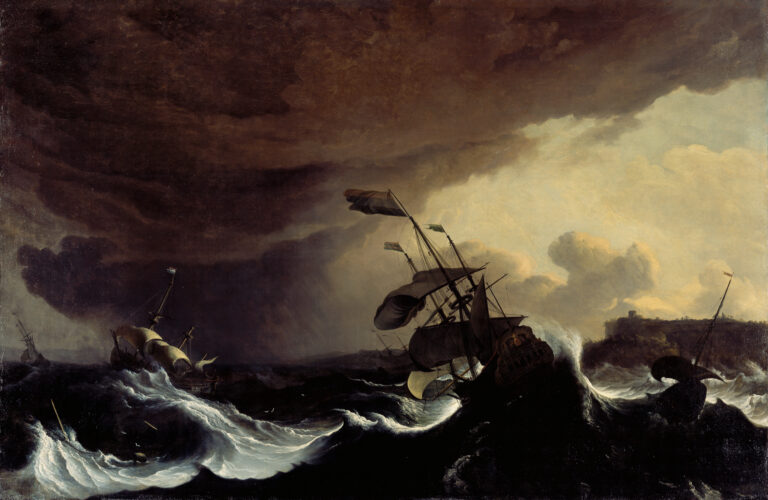
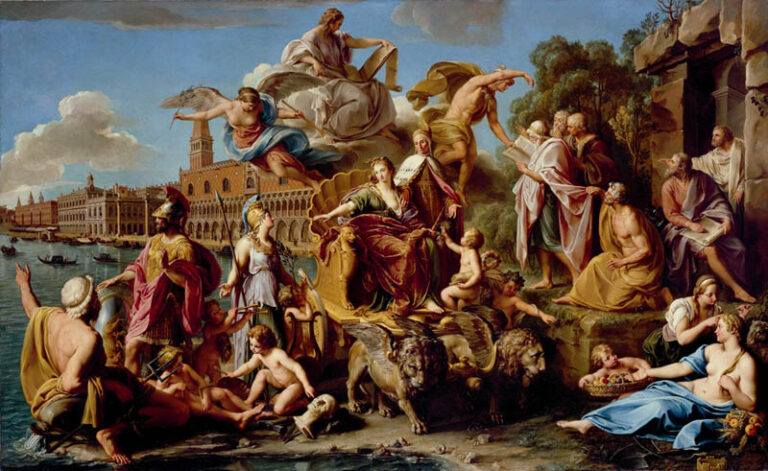
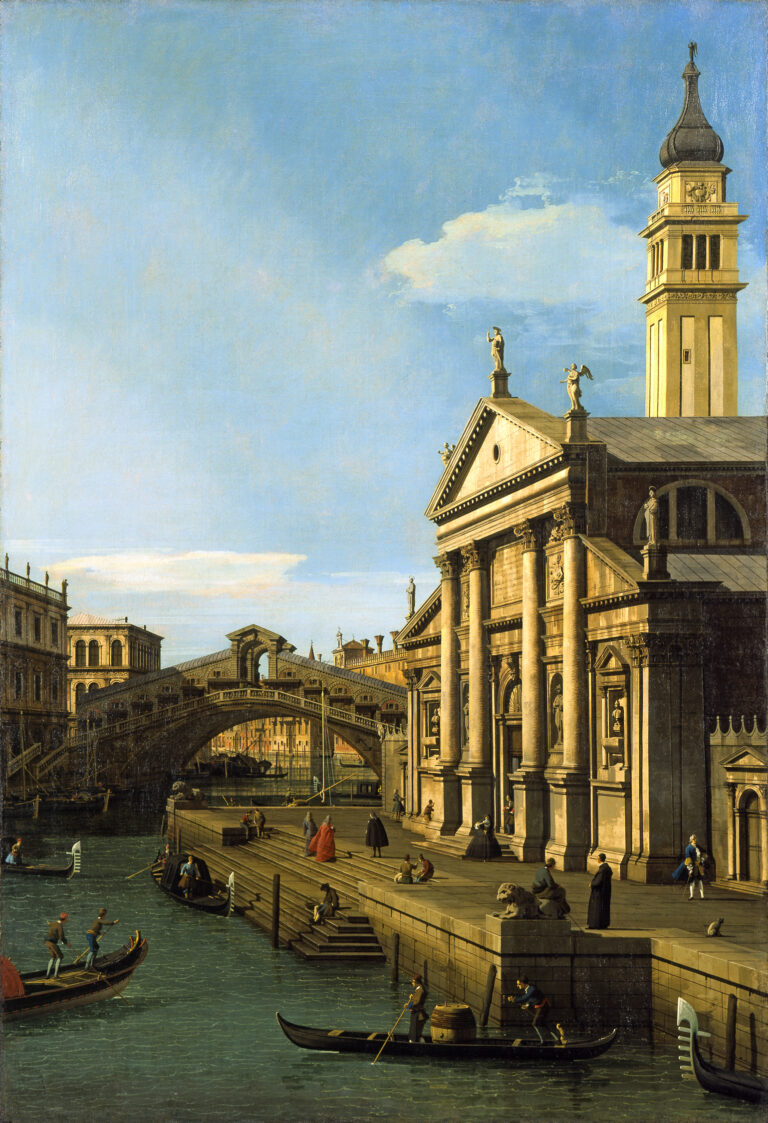
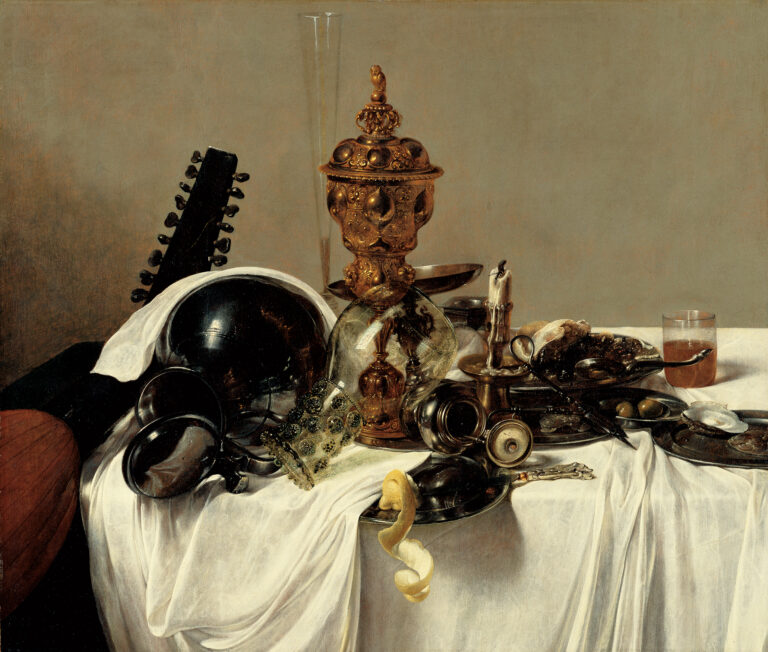
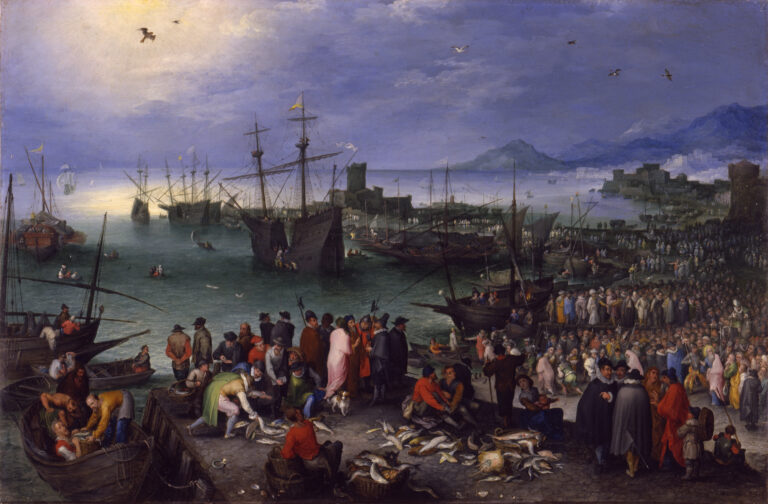
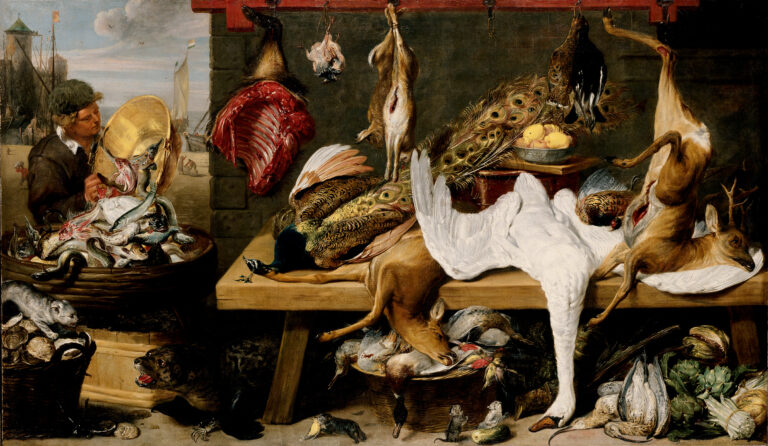
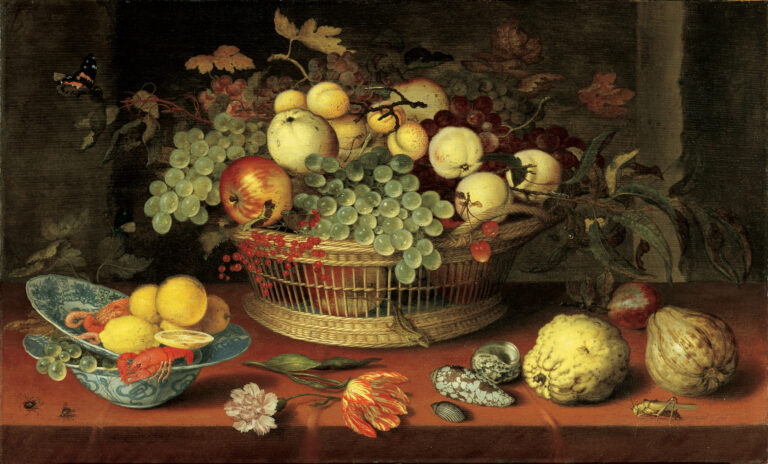
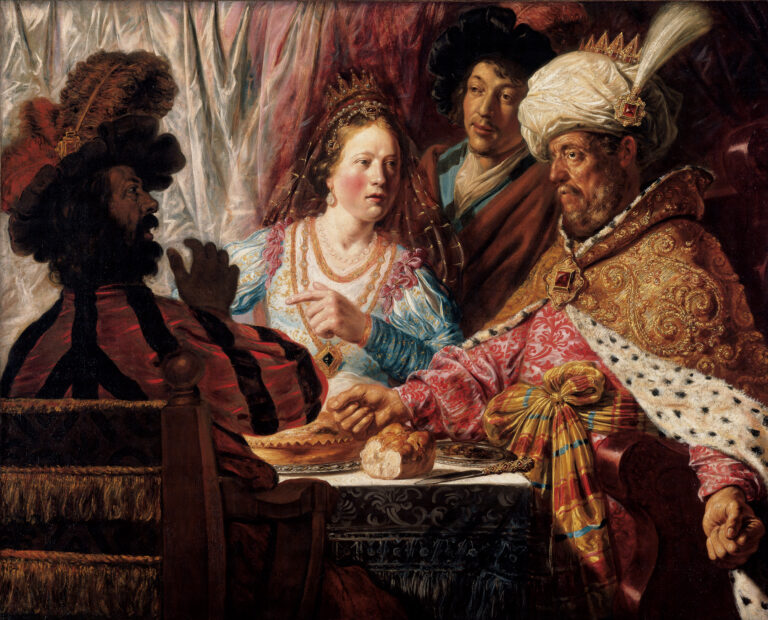
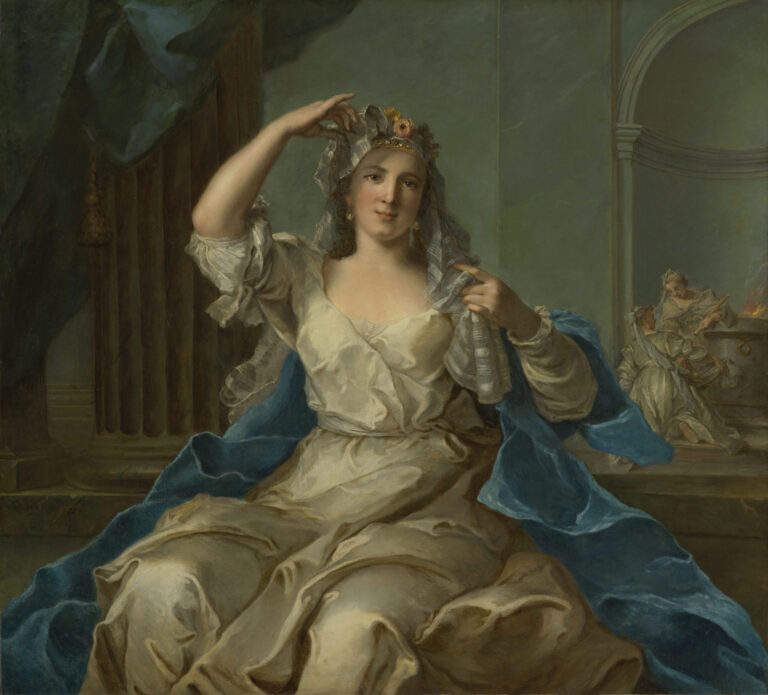
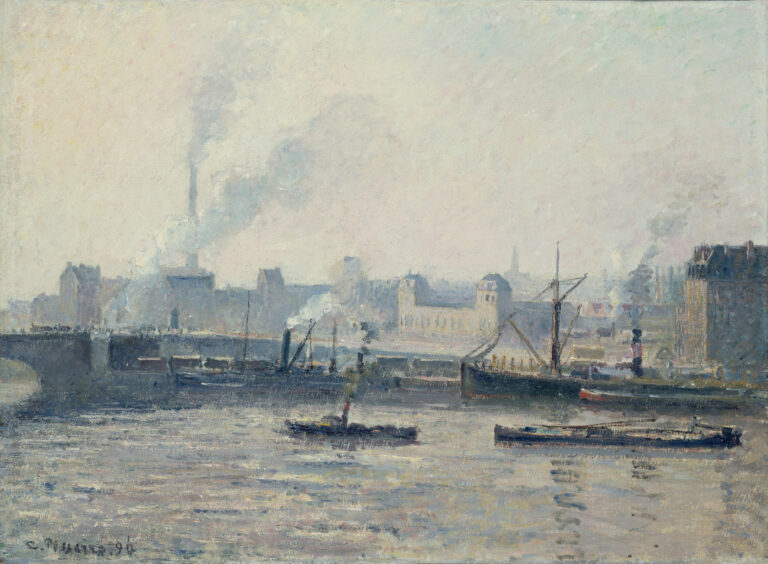
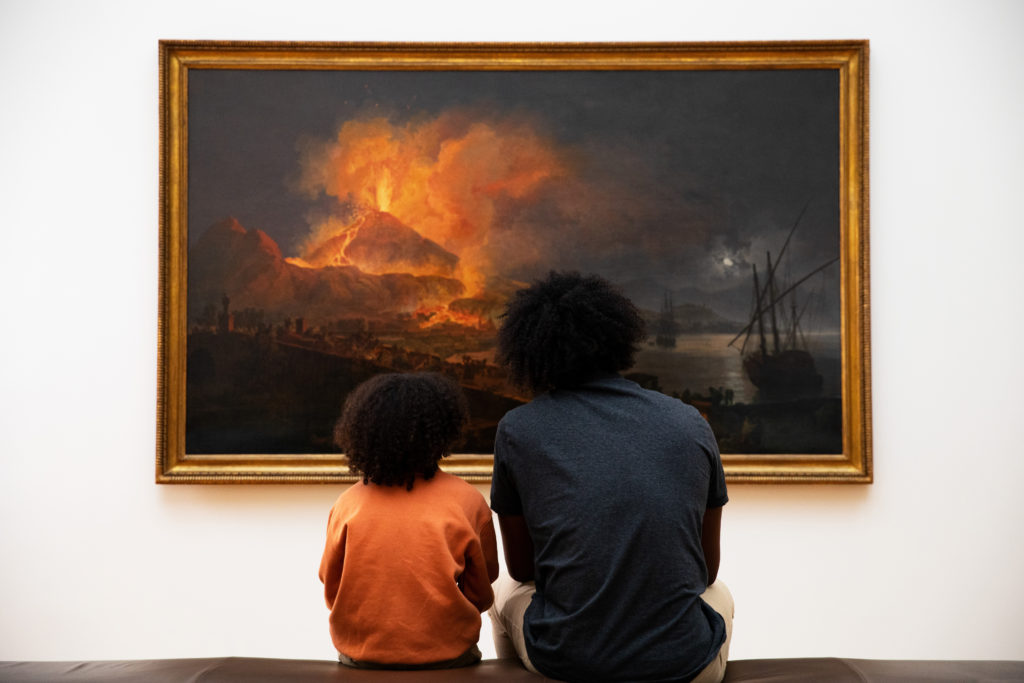
The NCMA’s European art collection spans centuries, from about 1100 through the early 1900s. Featuring primarily paintings, the collection’s particular strengths are in medieval to eighteenth-century art from the Italian peninsula, as well as Dutch and Flemish art from the seventeenth century.
European art is one of the largest collecting areas of the NCMA. Beginning in the early 1950s, the Museum made numerous acquisitions with funds from the State of North Carolina. The resulting group represented a survey of European painting, which was then expanded dramatically by a large gift of art from the Samuel H. Kress Foundation in 1960.
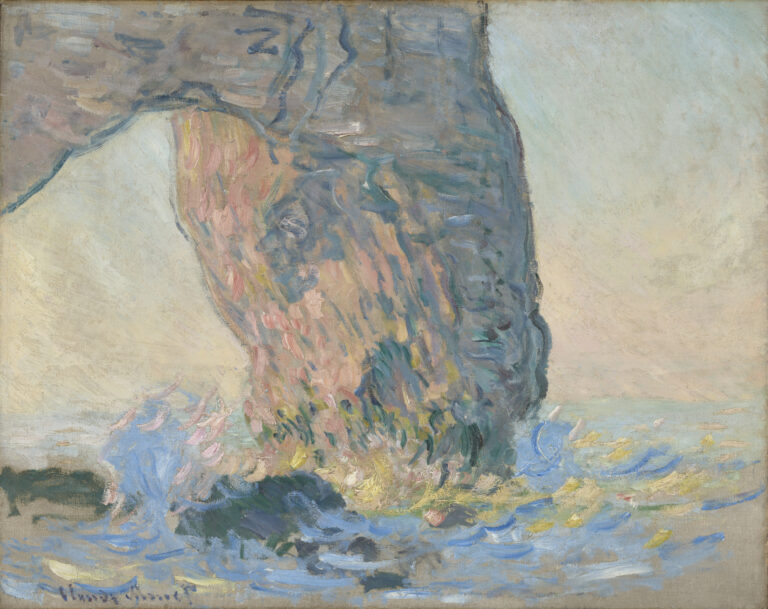
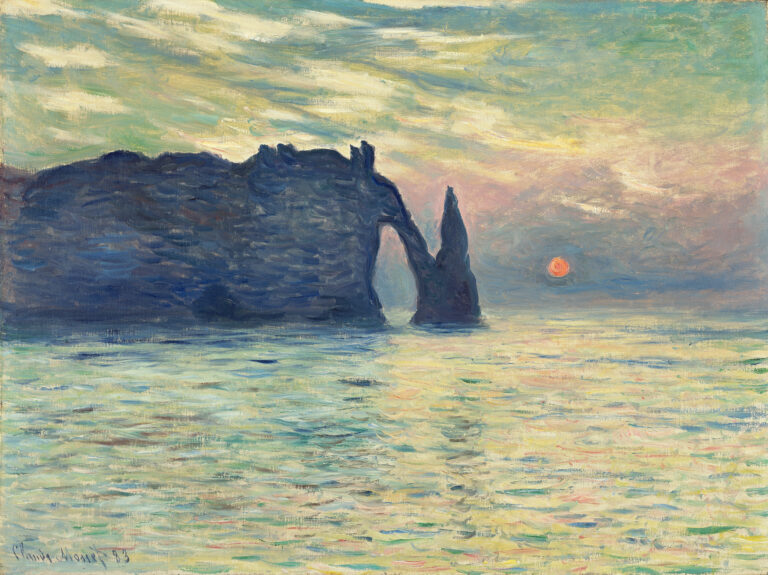
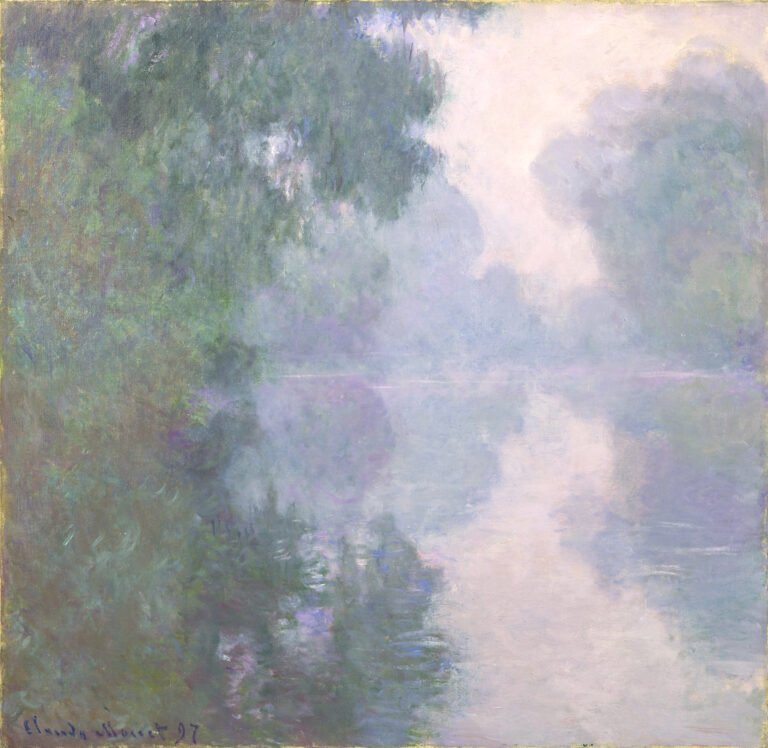
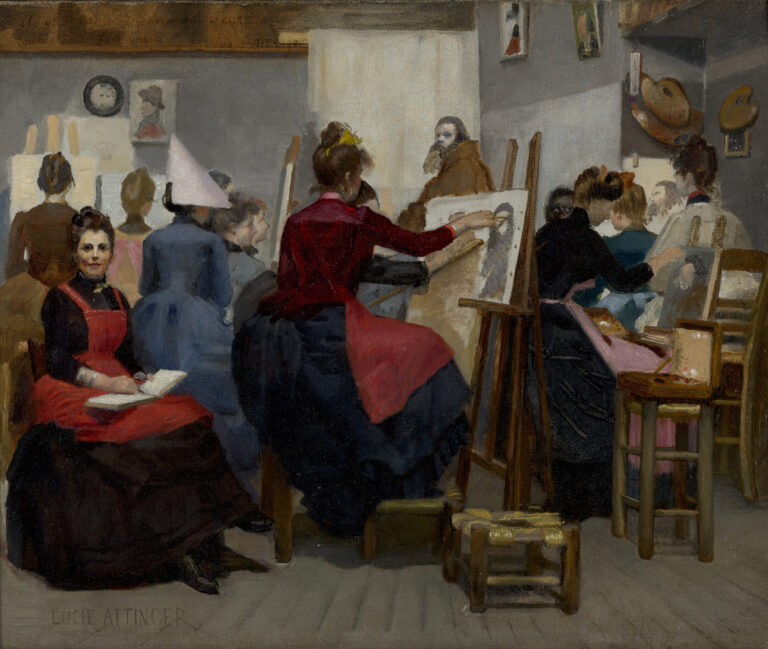
In these galleries you will see art from the seventeenth through the nineteenth centuries, continuing the displays of European art from the adjacent part of the building. They include a gallery dedicated to global travel and exchange from 1600 to 1800, a cabinet of curiosities, the legacy of the grand tour and European tourism, and two sets of galleries that explore the regulation of art in the nineteenth century. Also presented are stories of exclusion from the art establishment and rebellion against it. One of the most famous examples of this is Claude Monet, whose scandalous break with tradition began the impressionist movement.
The story of European art is often one of the most traditional parts of a museum’s display, and we have sought to enliven this history by acquiring new and diverse works, showcasing increased context and research for our collection, and expanding the narratives we tell.
Michele Frederick
Associate Curator of European Art and Provenance Research
Lyle Humphrey
Associate Curator of European Art and Collections History