


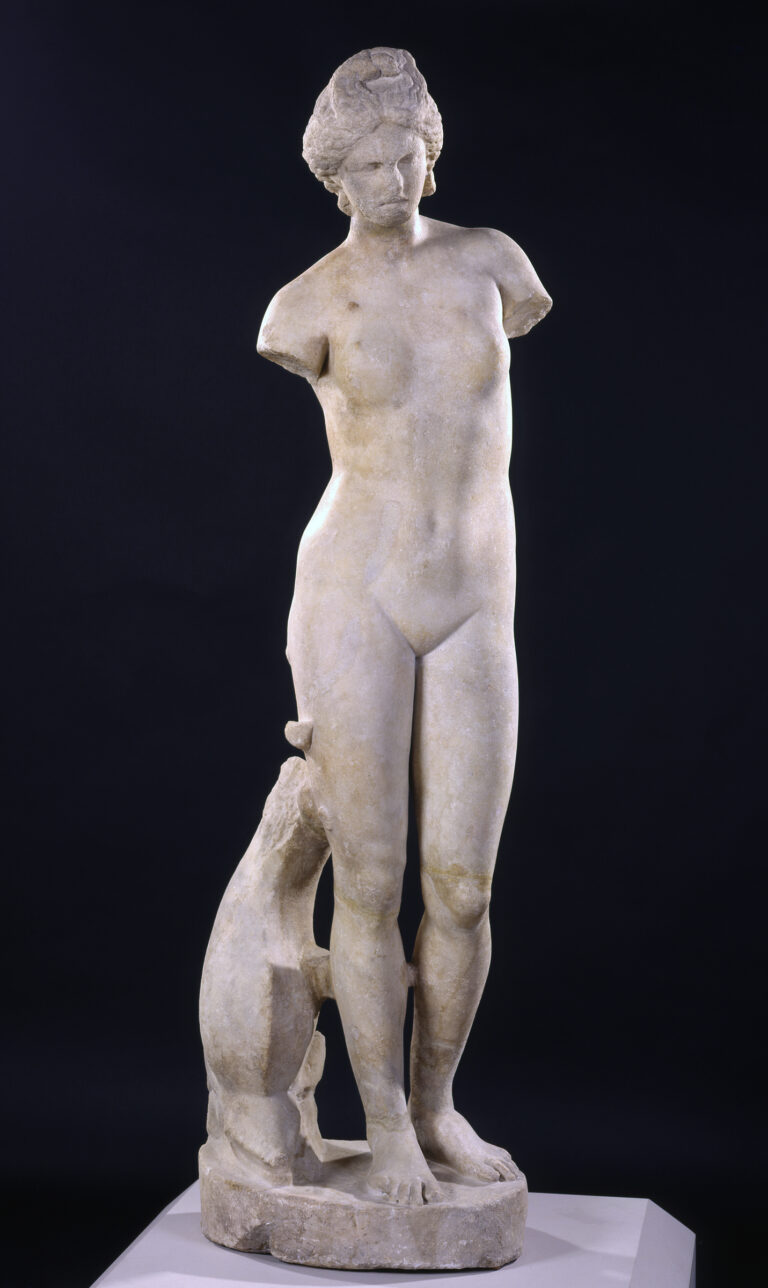
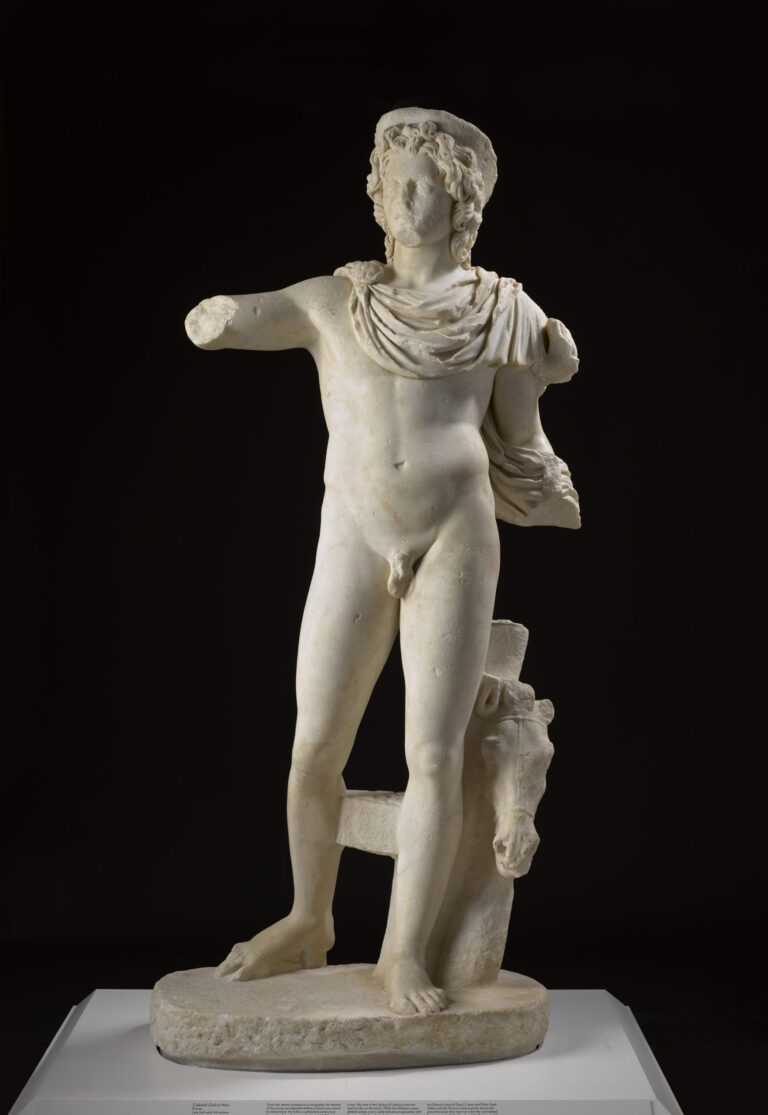
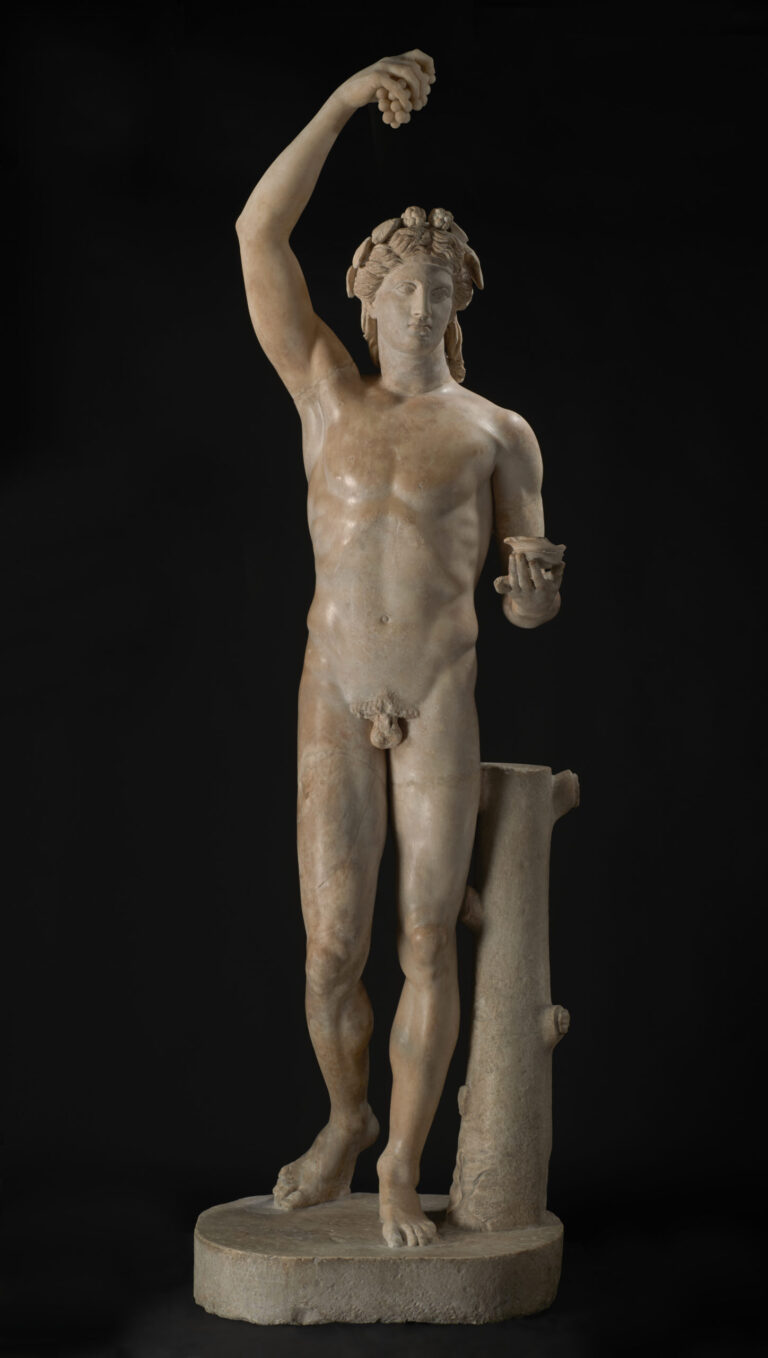
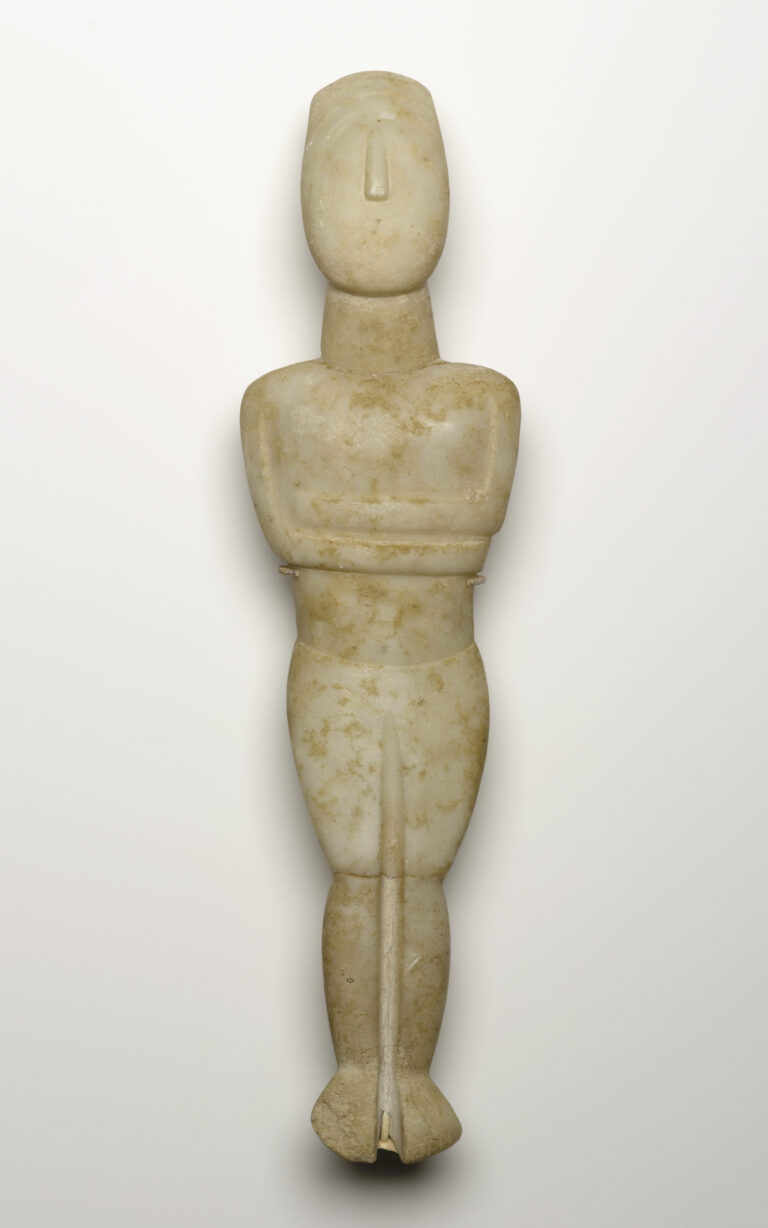
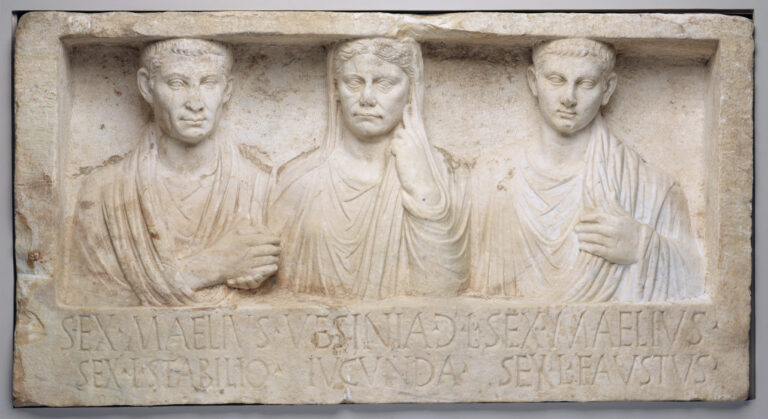
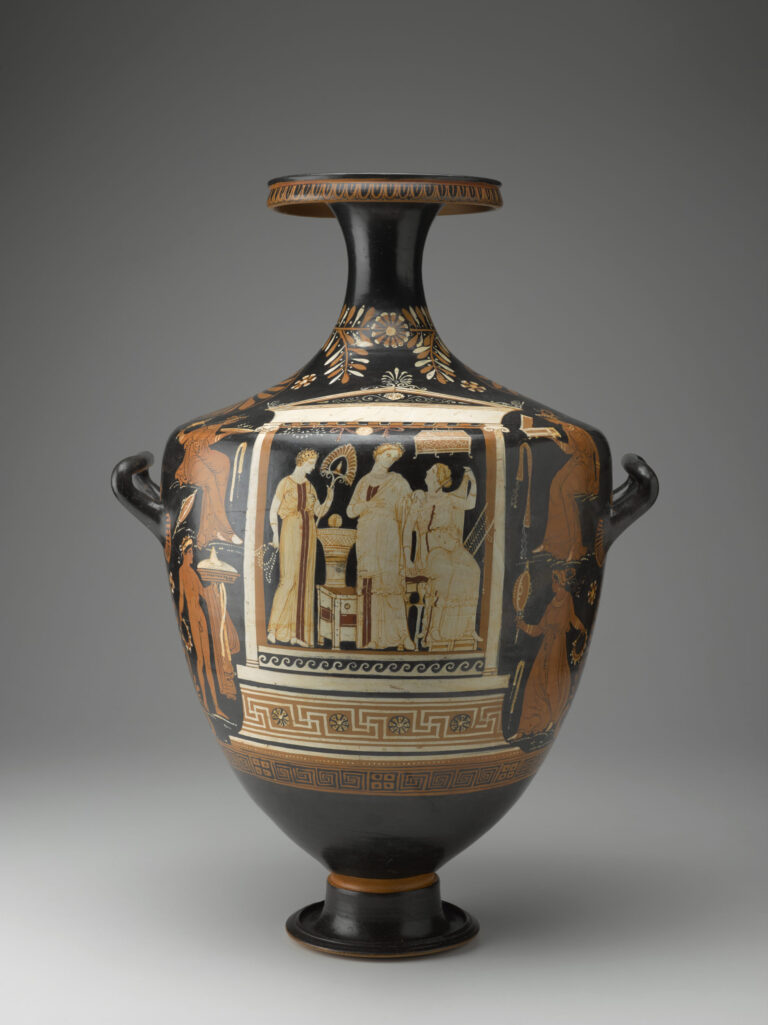
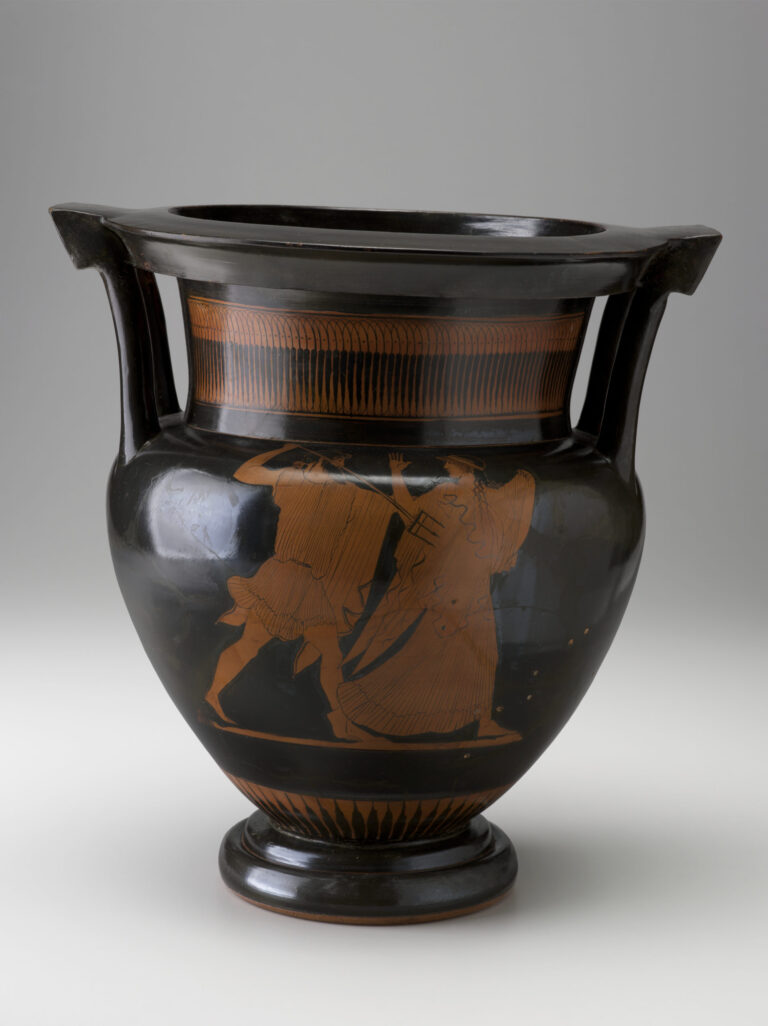
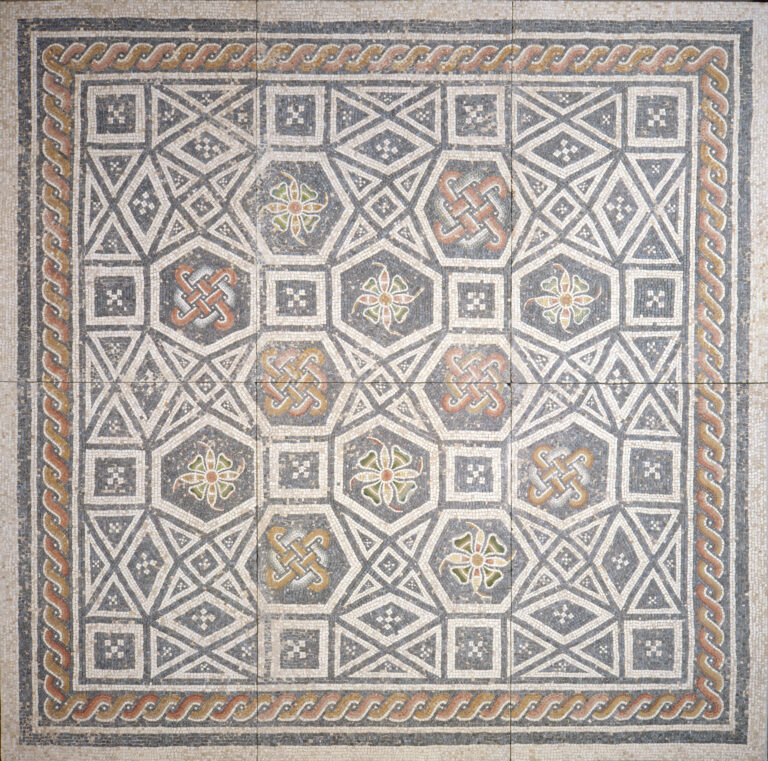
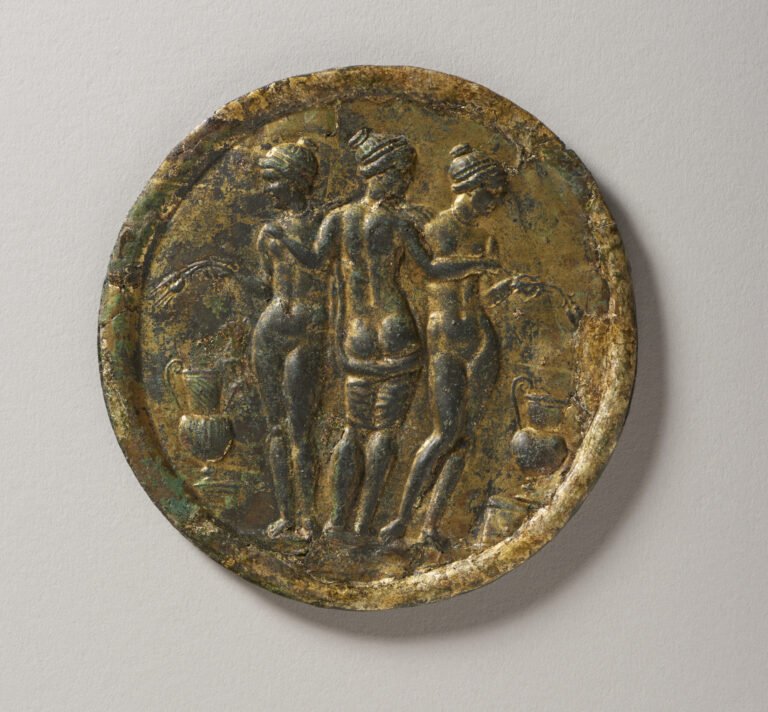
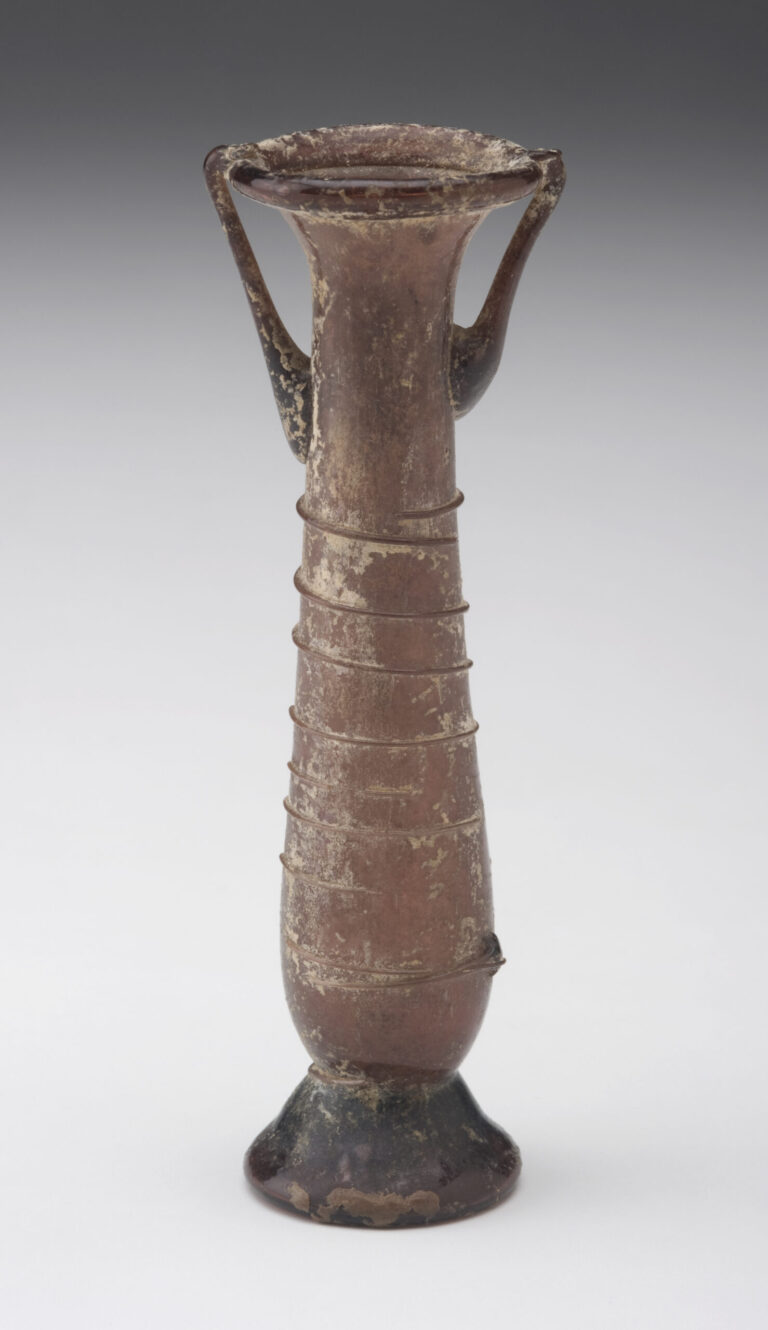
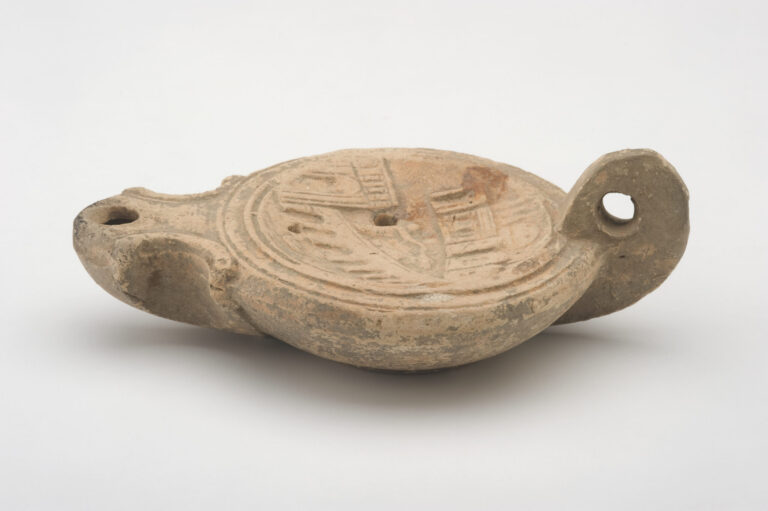
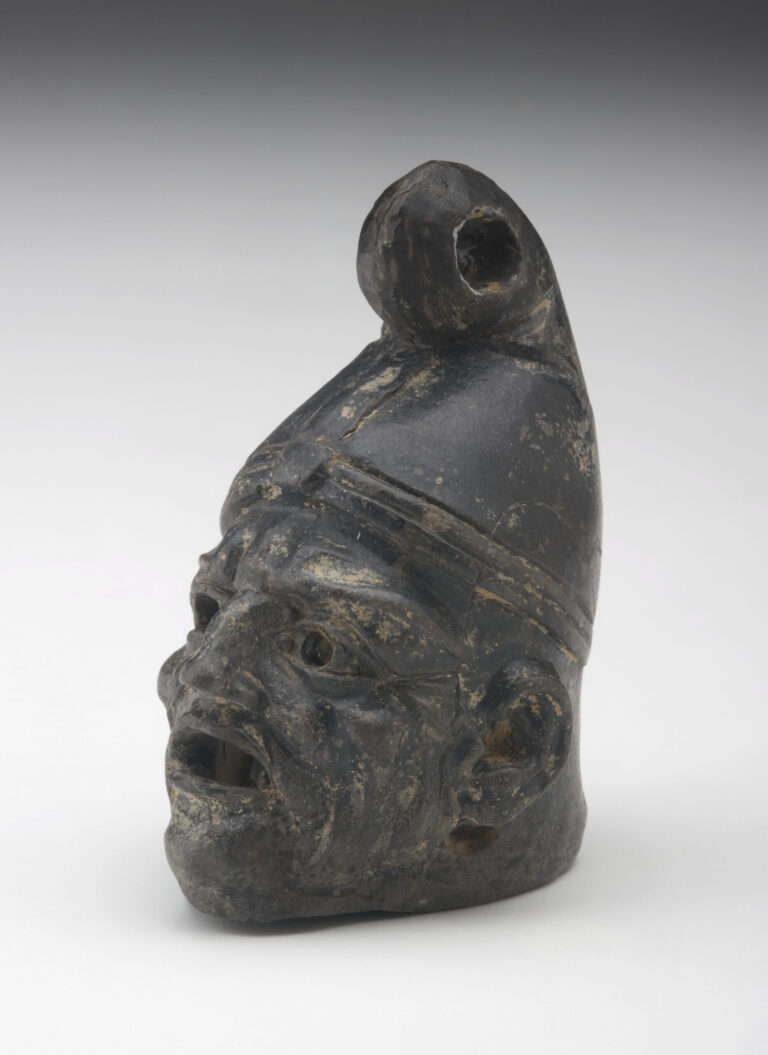

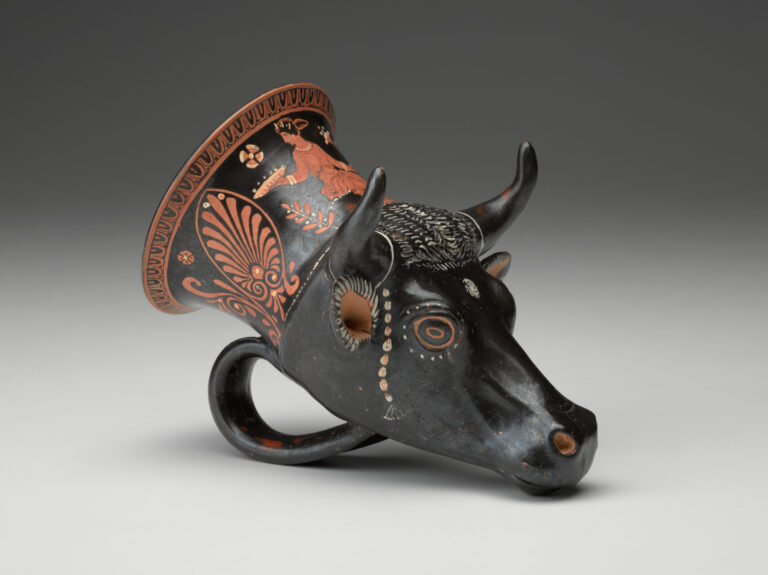
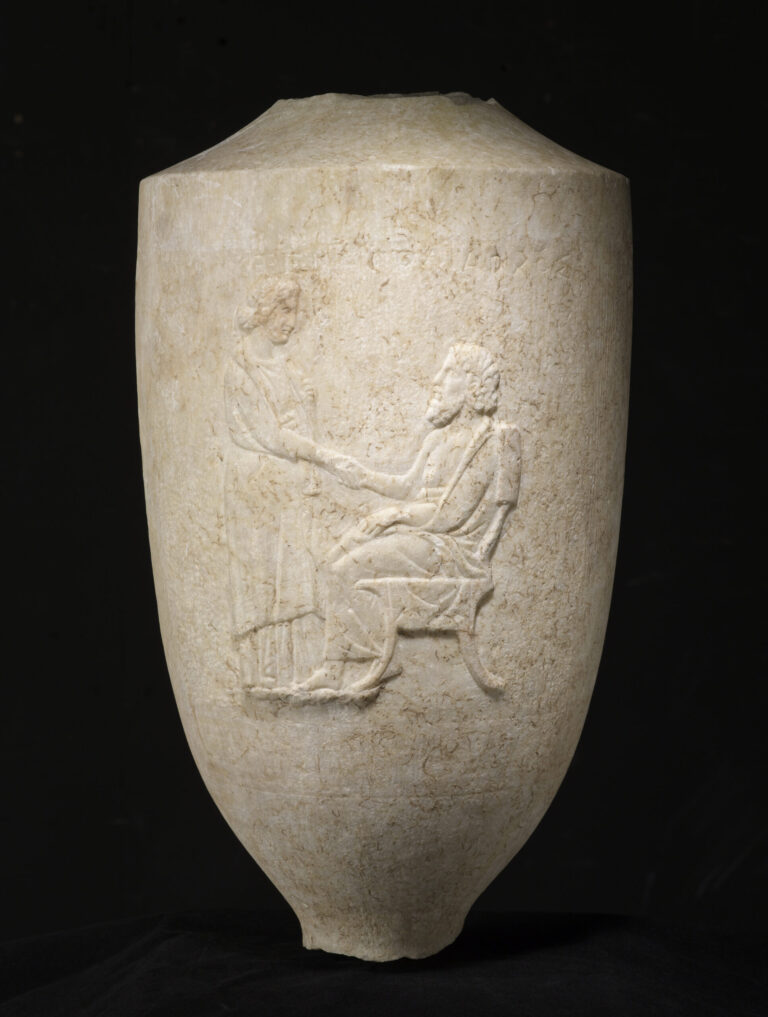
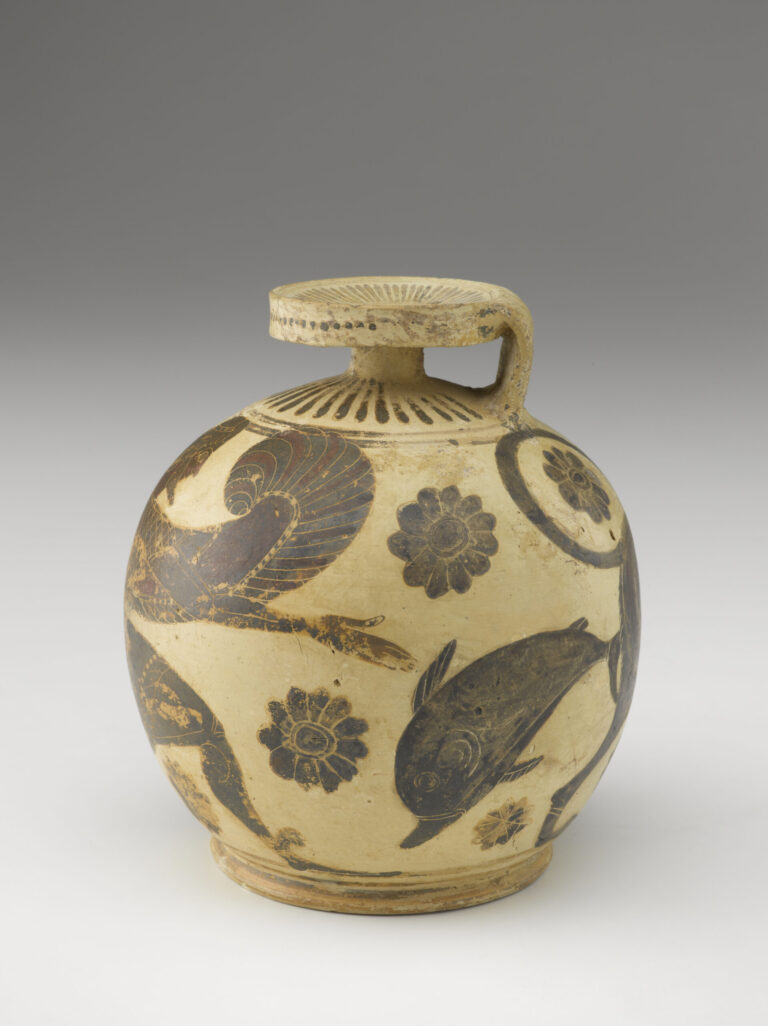
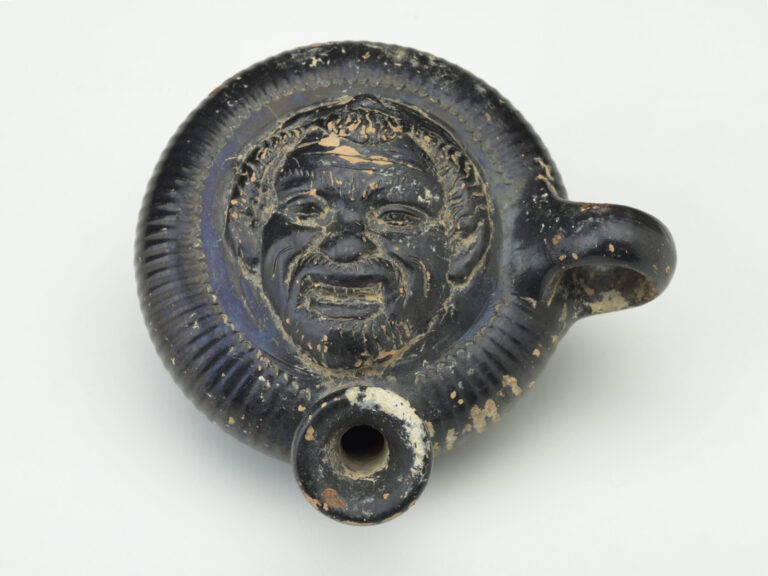
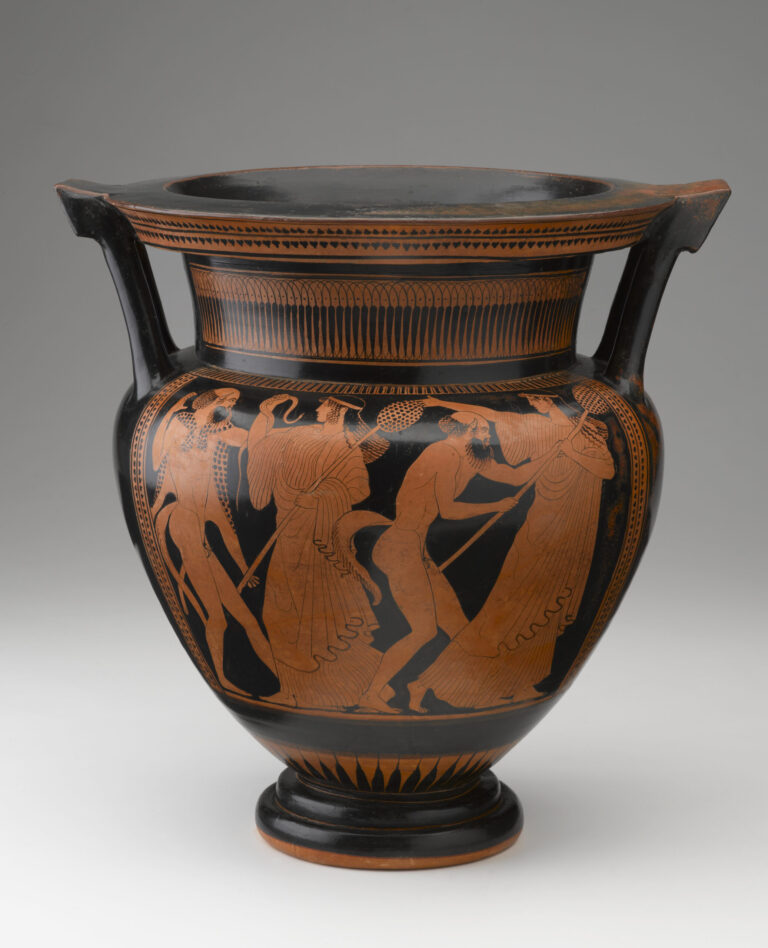
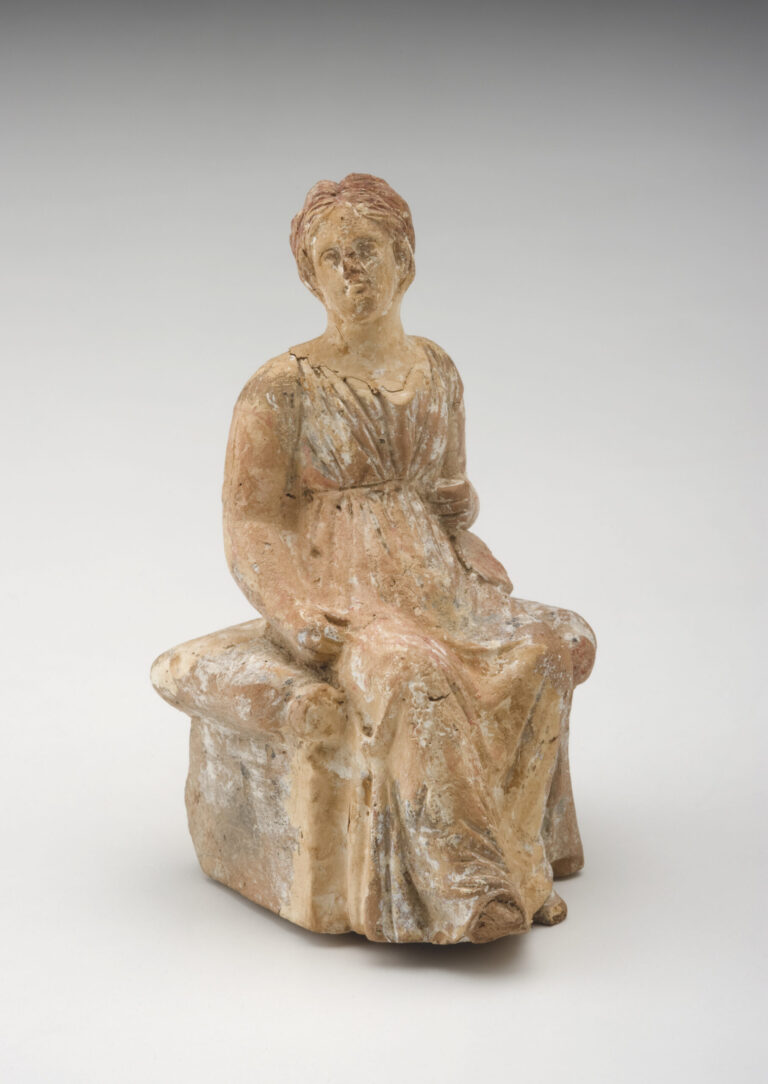
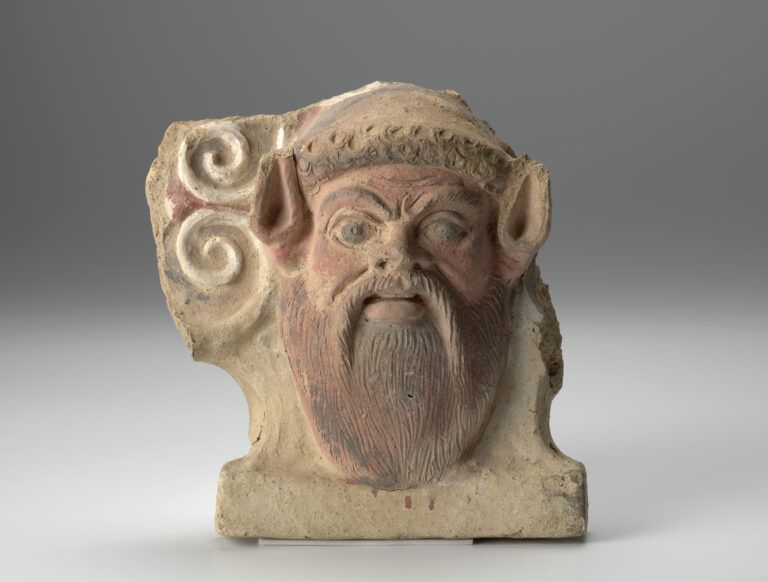
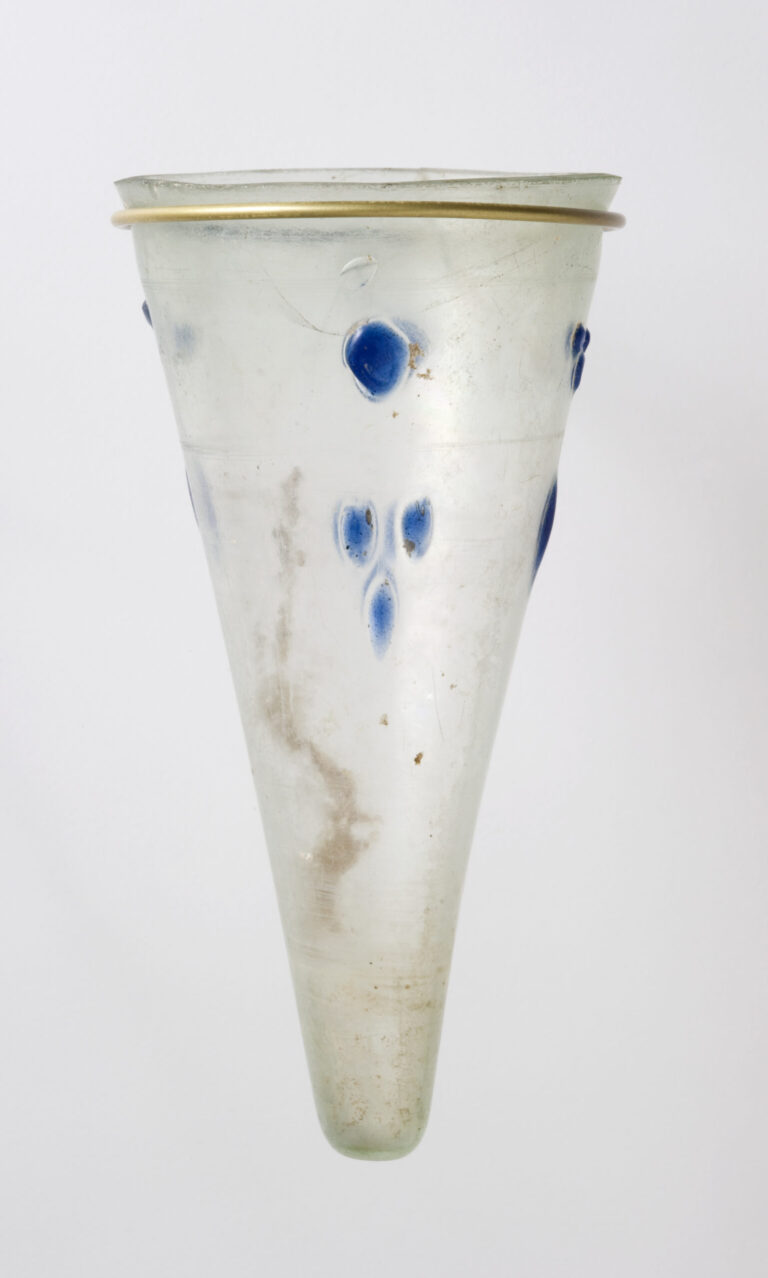
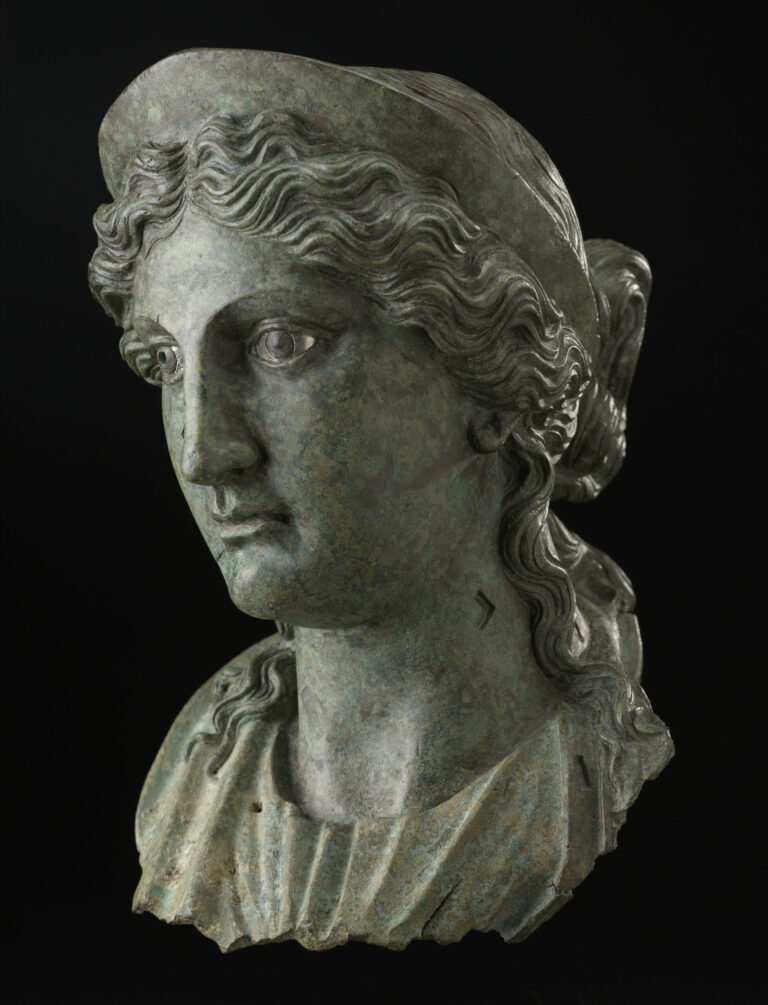
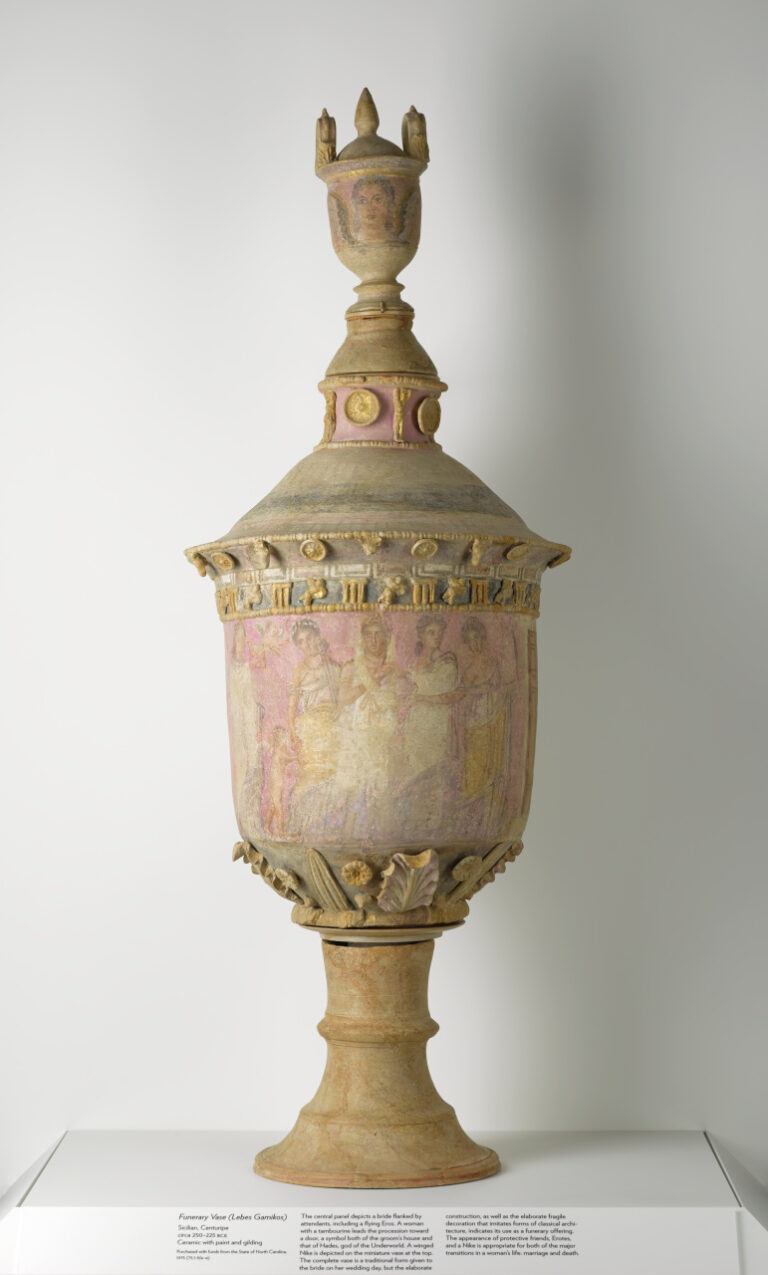
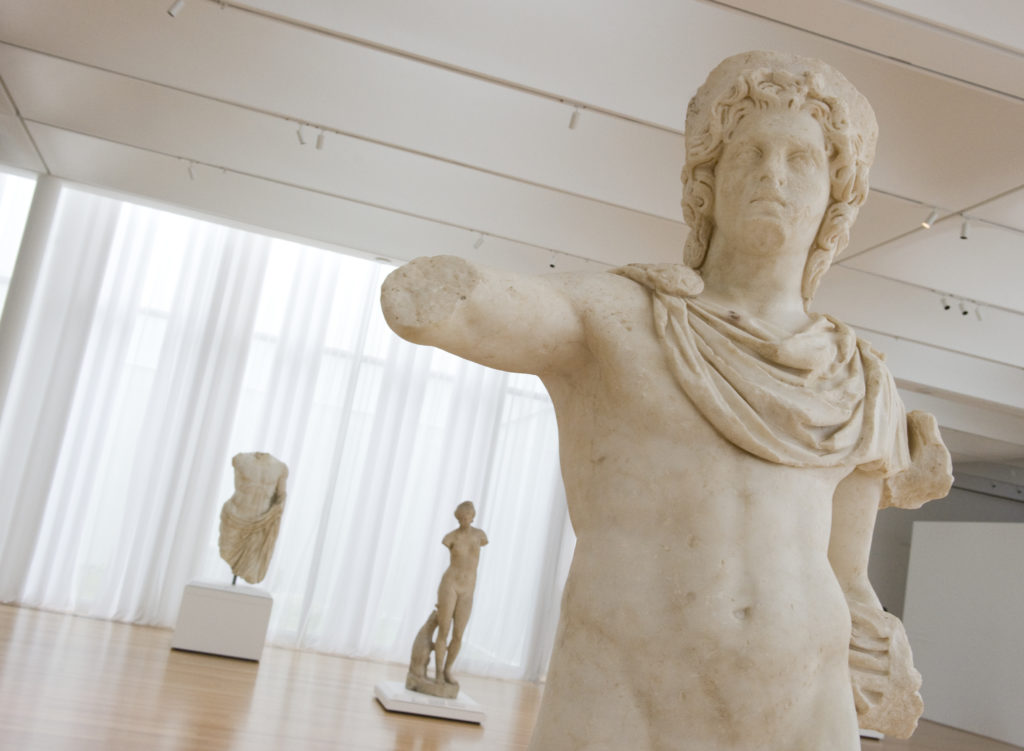
The ancient Greek, Italian, and Roman collections (historically referred to as “classical art”) at the NCMA cover more than three thousand years of history. They include material culture (objects created and used by people) from ancient Greece and its colonies in what is today southern Italy as well as from Etruscan and other ancient Italian cultures and the far-reaching Roman Empire.
Marble statues, like those of Bacchus and Hercules, and Roman glass donated by philanthropist George D. Pratt (1869–1935) were already part of the collection when the Museum opened on Morgan Street in 1956. In subsequent decades the collection grew to include more sculpture, numerous ceramic vases, and other types of ancient objects associated with burials, temples, and dwellings, from different cultures and time periods.
While the archaeological findspots (provenience) of these objects are generally unknown, these artifacts can still give us a glimpse of how people lived in ancient times. (Scientifically excavated objects would tell us even more.) In these galleries you will see antiquities associated with food and drink in the ancient Mediterranean, the lives of women in Greek and Roman society, private devotion, ceramics production, and funerary traditions from various cultures in this part of the world. You will discover that often ancient lives were not that different from ours.
The material culture of classical Greece and the Roman Empire—including sculpture and ancient writings—greatly influenced the arts in early modern Europe. Several paintings in our European art galleries feature ancient personalities and mythology.
Caroline M. Rocheleau
Curator of Ancient Collections