


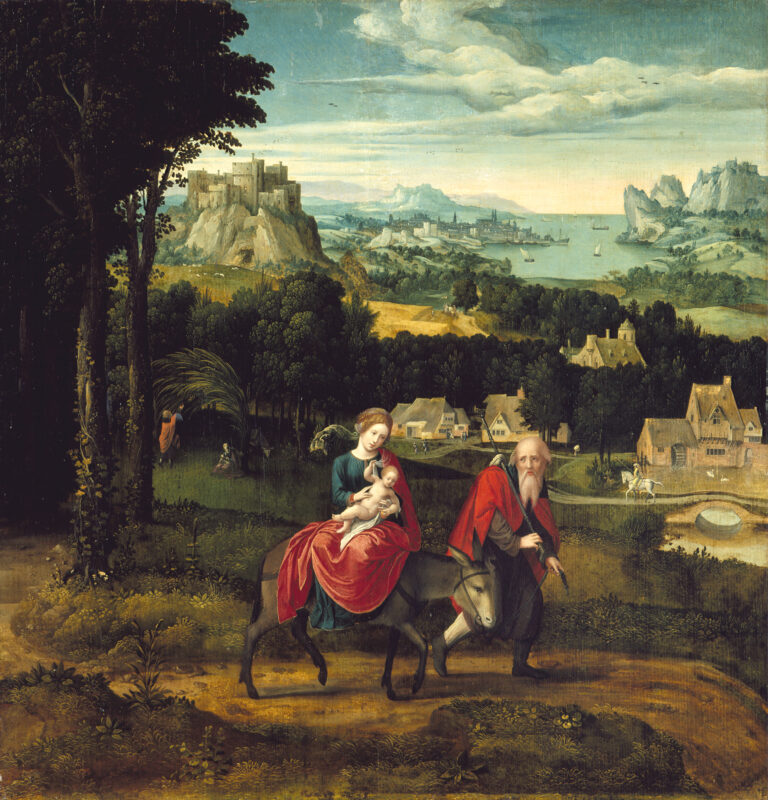
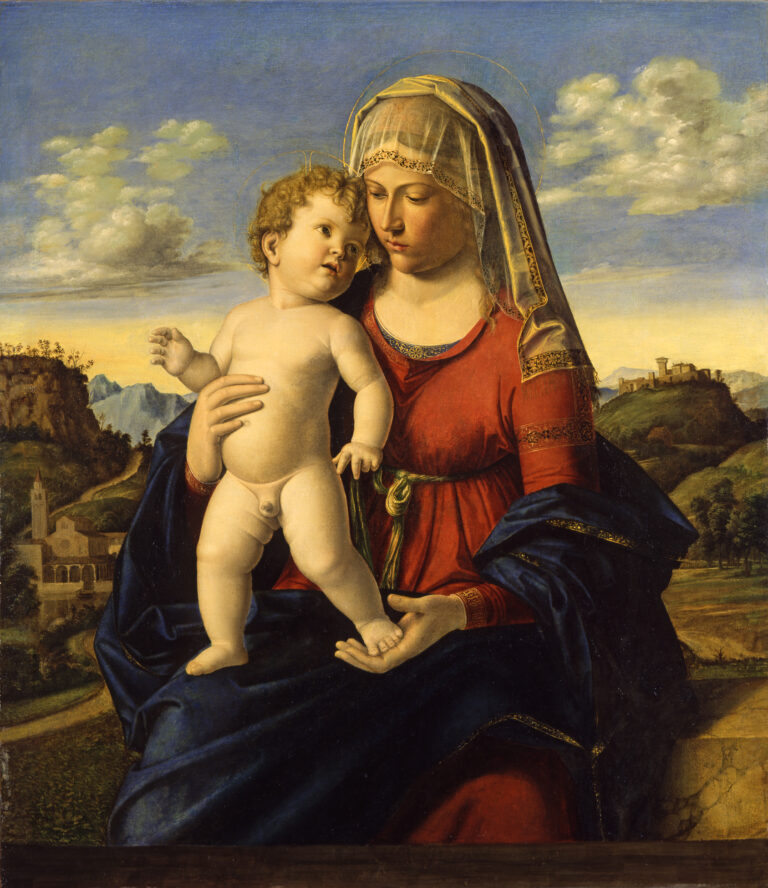
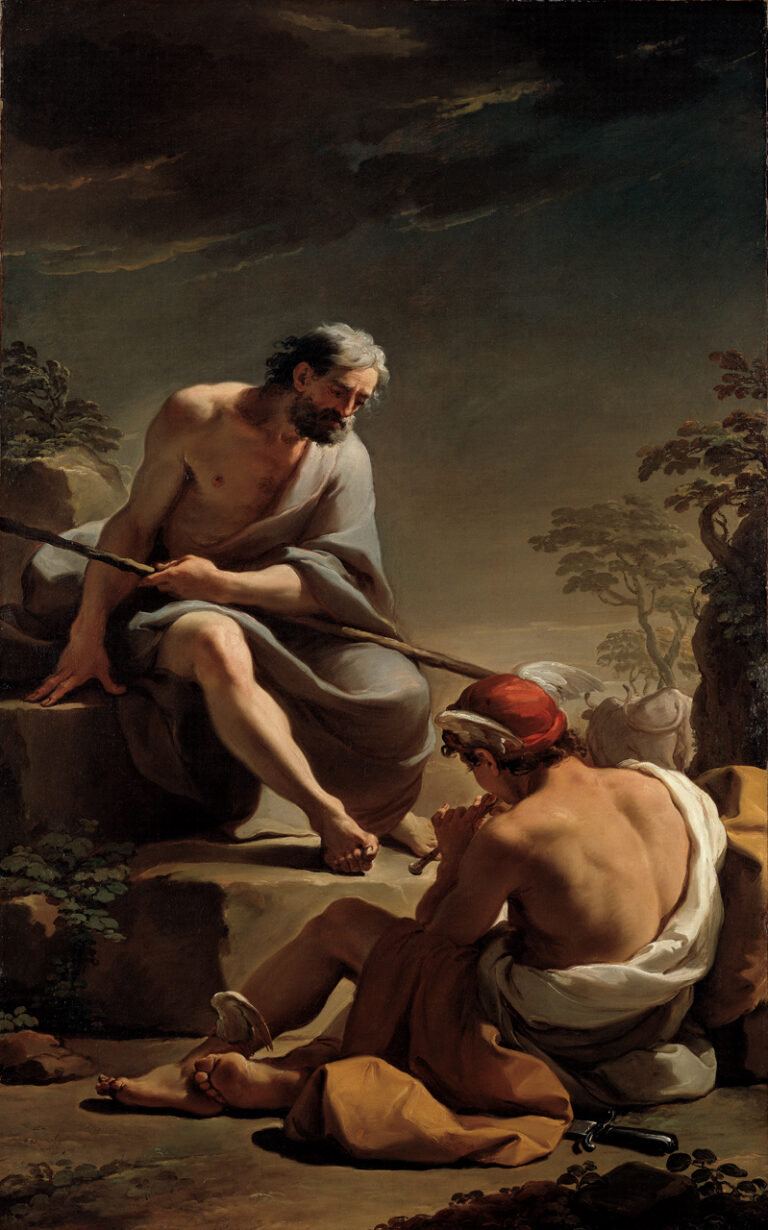
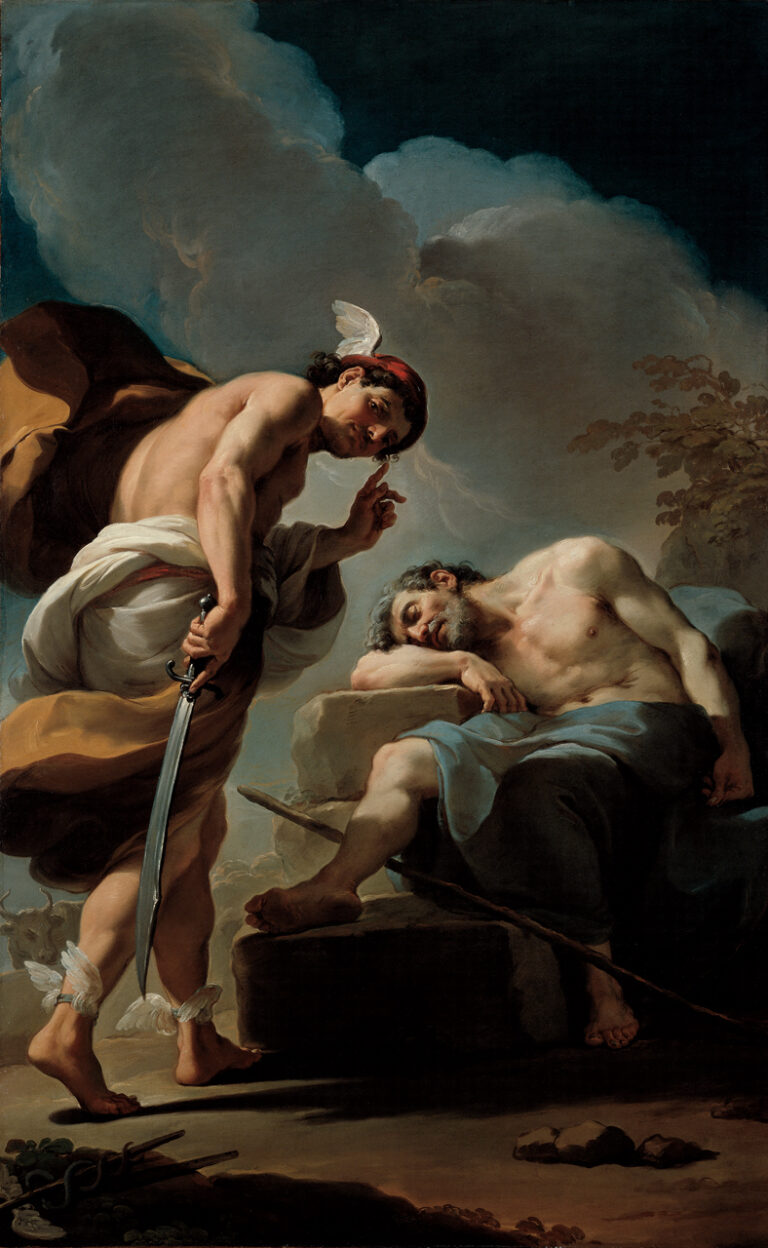
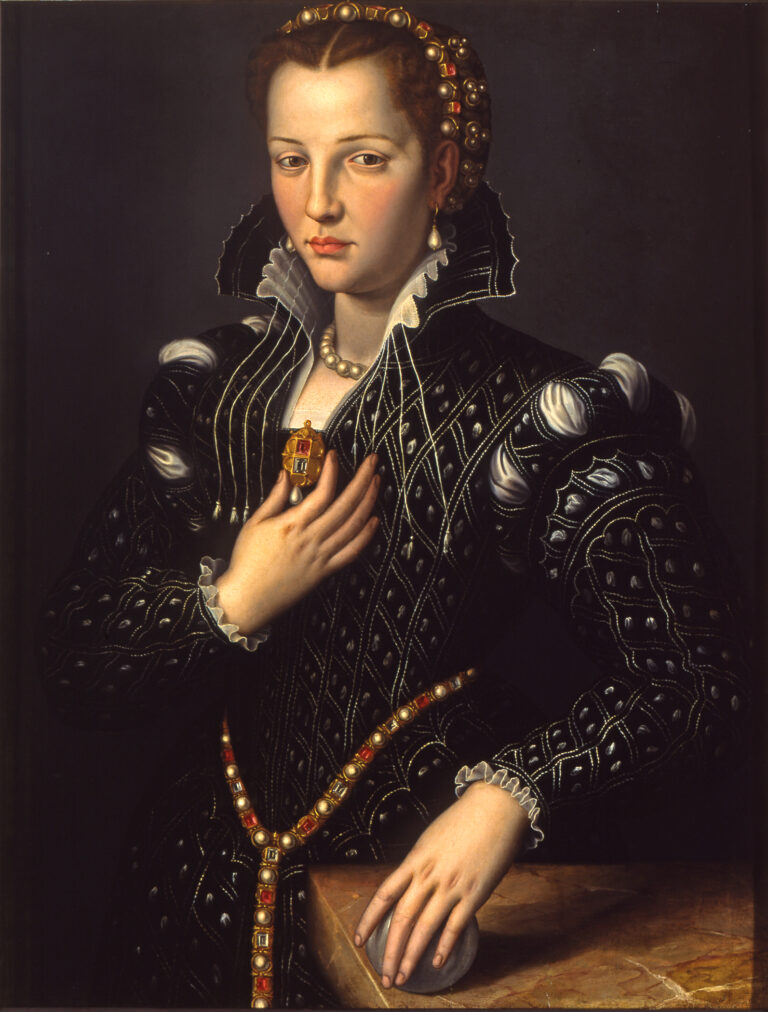
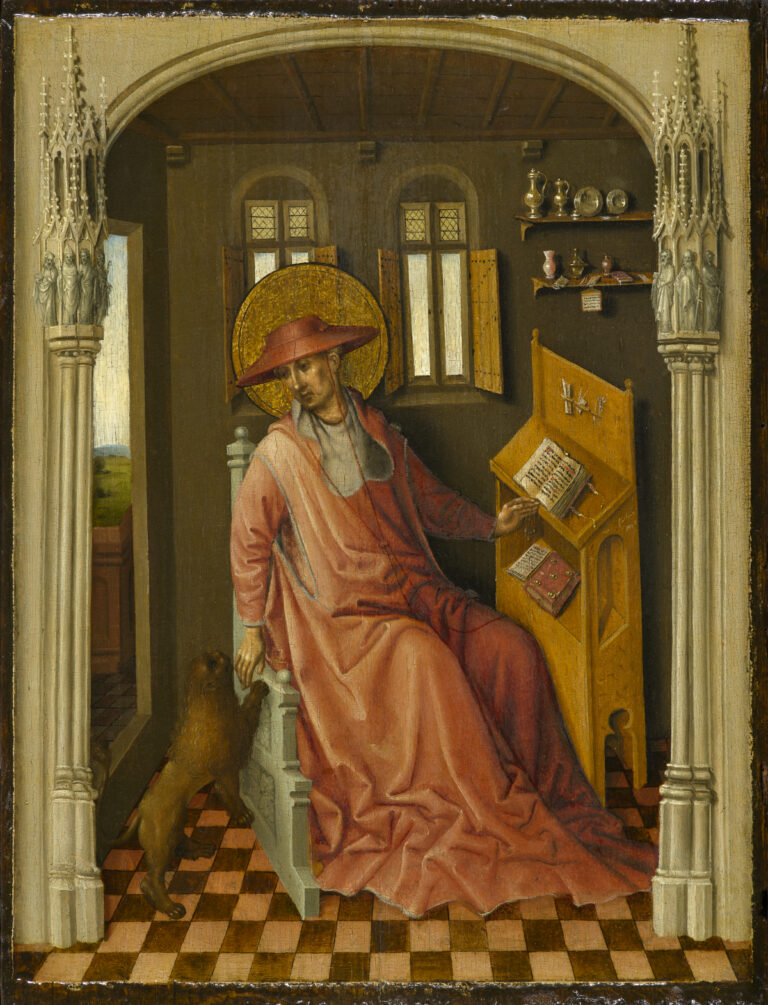
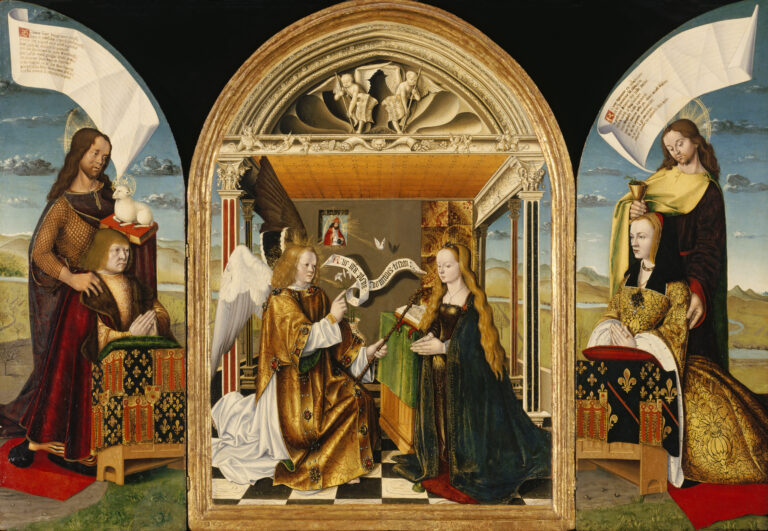
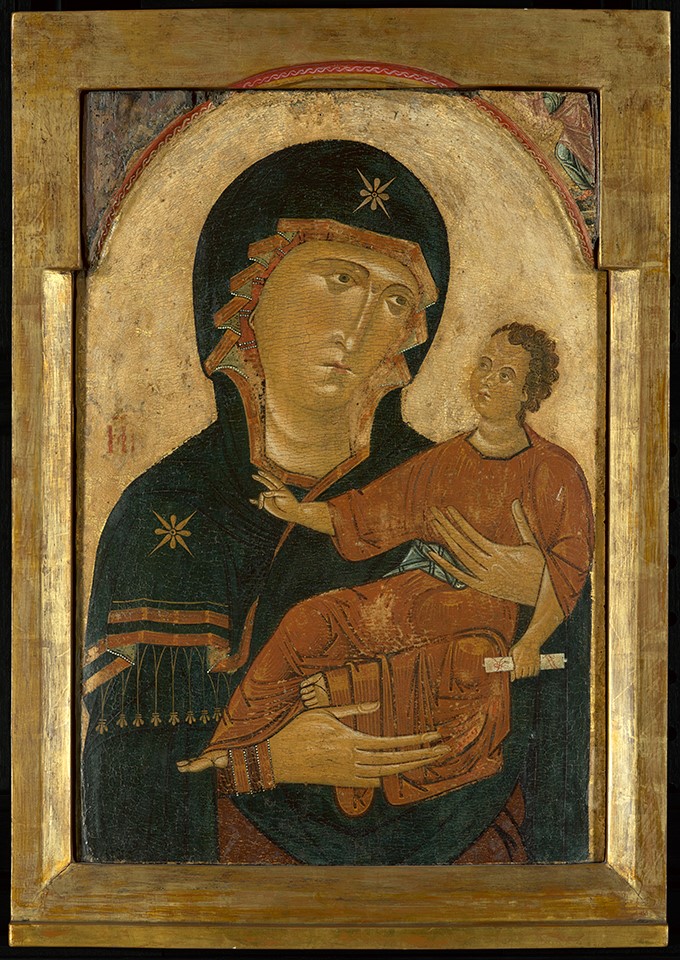
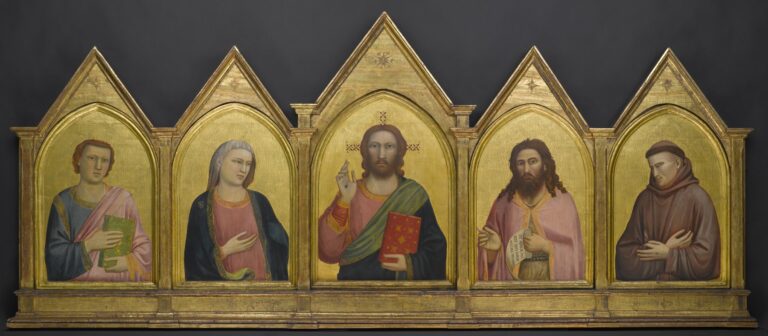

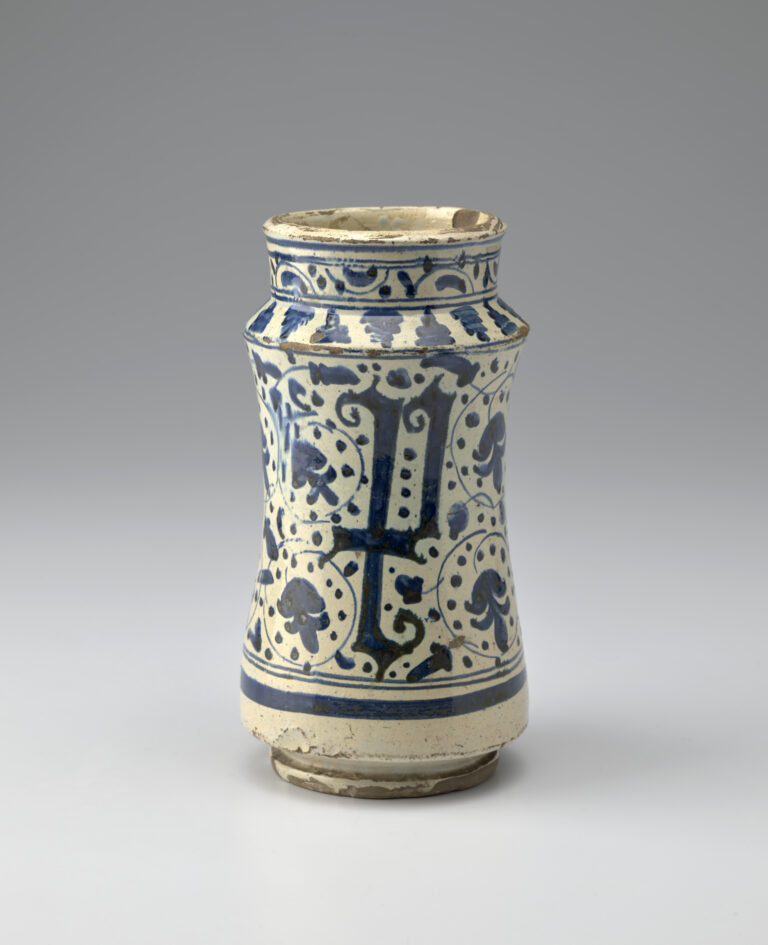
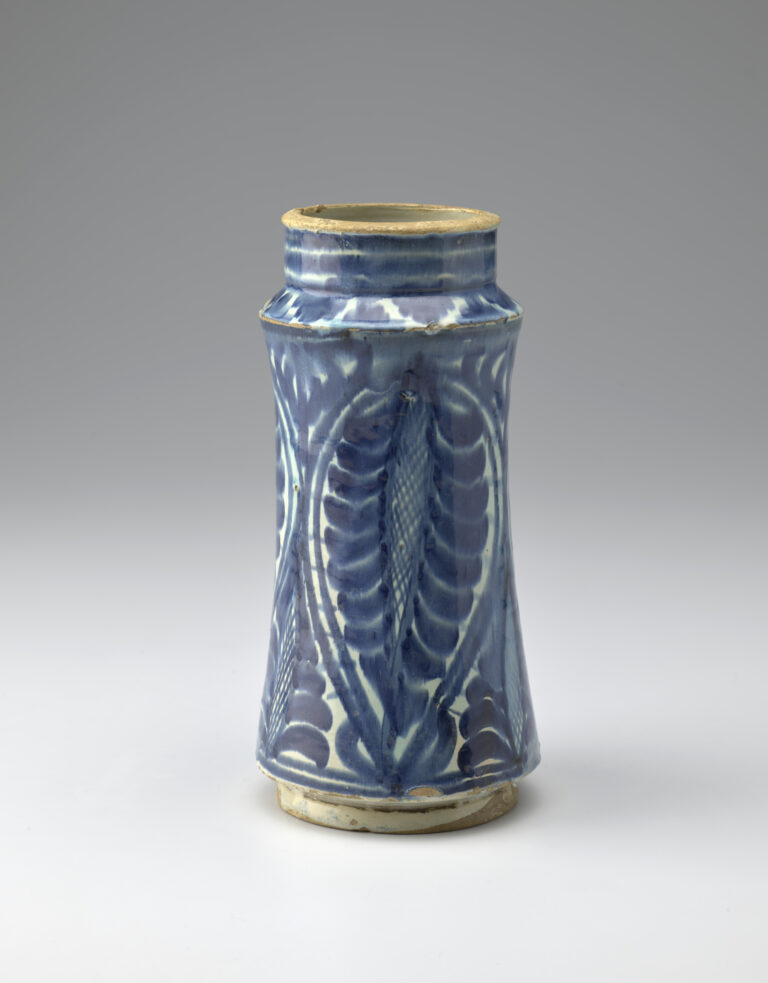

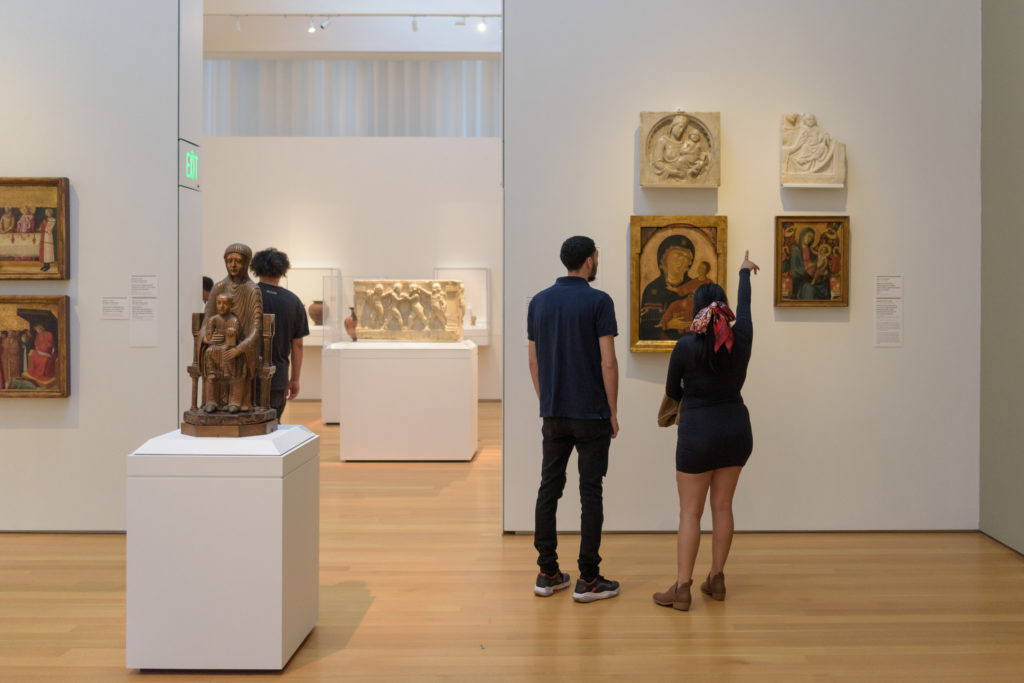
The NCMA’s European art collection spans centuries, from about 1100 through the early 1900s. Featuring primarily paintings, the collection’s particular strengths are in medieval to eighteenth-century art from the Italian peninsula, as well as Dutch and Flemish art from the seventeenth century.
European art is one of the largest collecting areas of the NCMA. Beginning in the early 1950s, the Museum made numerous acquisitions with funds from the State of North Carolina. The resulting group represented a survey of European painting, which was then expanded dramatically by a large gift of art from the Samuel H. Kress Foundation in 1960.
The first three galleries explore art, society, and Catholic devotion in the Middle Ages and Renaissance. Judaic art is then integrated into the European suite to explore connections among artistic expressions and faith traditions. Successive European galleries examine the impact of a new medium—printing—on art and culture between the late fifteenth and early sixteenth centuries; collaborations between artists and patrons in the cities of Bologna and Venice; and seventeenth-century Dutch and Flemish art, exploring the effects of the Dutch War of Independence and the development of painting genres.
The story of European art is often one of the most traditional parts of a museum’s display, and we have sought to enliven this history by acquiring new and diverse works, showcasing increased context and research for our collection, and expanding the narratives we tell.
Lyle Humphrey
Associate Curator of European Art and Collections History
Michele Frederick
Associate Curator of European Art and Provenance Research